10 Jul 2026
Charting Interlinked Progression Routes Between Reward Tiers and Funding Options Across Hybrid Gaming Formats
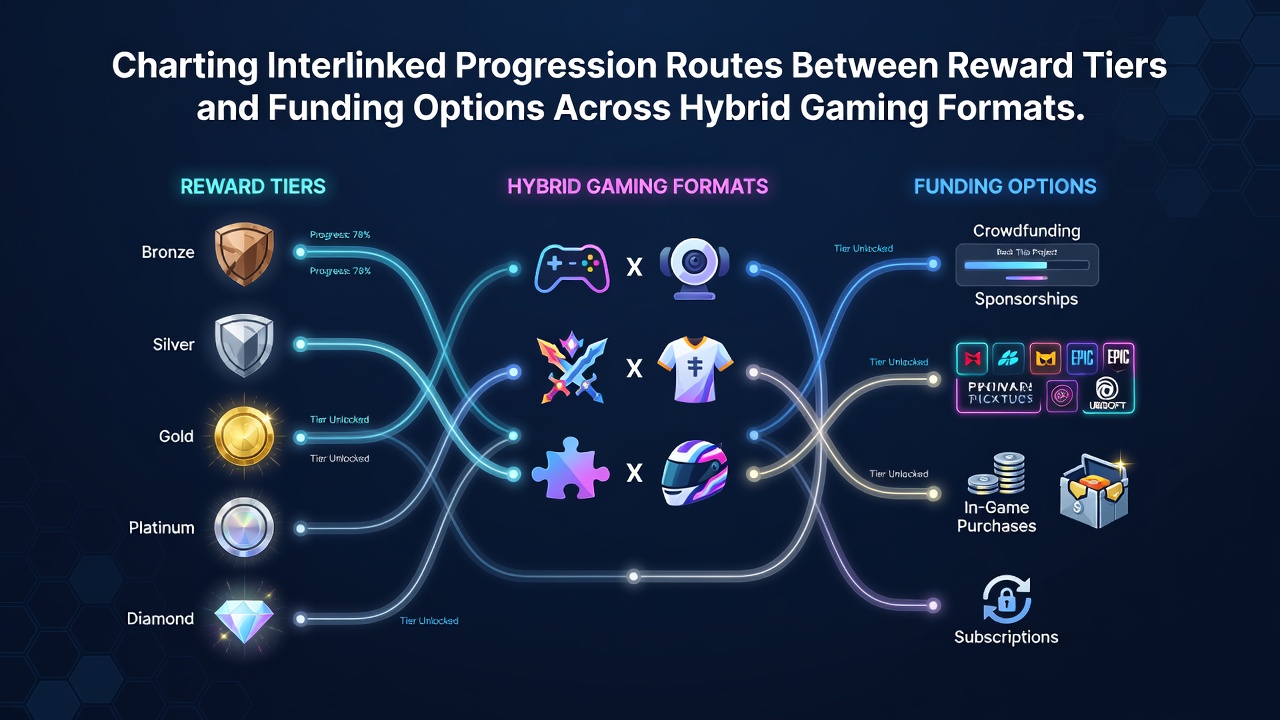
Hybrid gaming formats combine online slots, mobile applications, live dealer tables, and physical casino floors into single ecosystems where player activity feeds unified loyalty structures, and funding mechanisms directly influence how quickly participants advance through tier levels while unlocking associated benefits. Observers note that reward tiers typically progress through cumulative spend metrics tracked across multiple channels, whereas funding options such as bank transfers, digital wallets, and cryptocurrency deposits determine both the speed of those metrics and the types of redemptions available at each stage.
Mapping Tier Structures in Unified Systems
Research indicates that most hybrid platforms organize rewards into four to six tiers beginning with entry-level access and advancing to elite designations that include personalized account management, higher withdrawal limits, and exclusive event invitations. Data shows progression requires a combination of deposit volume, wager totals, and session frequency calculated over rolling periods, with hybrid operators synchronizing these calculations so that activity on a mobile slot game contributes equally to points earned during a land-based poker session. Those who've studied these systems find that operators often apply multipliers to specific funding sources, allowing cryptocurrency deposits to accelerate tier movement at rates 20 to 30 percent higher than traditional card payments in several documented markets.
July 2026 figures from multiple North American operators reveal increased integration between mobile and retail environments, with several properties reporting that players completing tier upgrades via combined online and in-venue play rose by 14 percent compared with the previous year. Funding choices intersect here because instant settlement methods reduce the lag between deposit and point crediting, shortening the time required to reach the next tier threshold.
Funding Channels and Their Influence on Advancement
Payment speed affects reward cycles because platforms credit loyalty points only after transaction confirmation, creating direct links between processing times and tier eligibility windows. Studies reveal that e-wallet and cryptocurrency options frequently clear within minutes, enabling same-day point accumulation, whereas bank transfers can require one to three business days before contributing to progression totals. Industry reports from the American Gaming Association highlight that operators in regulated U.S. states have expanded support for instant funding methods specifically to retain players moving between mobile and live formats.
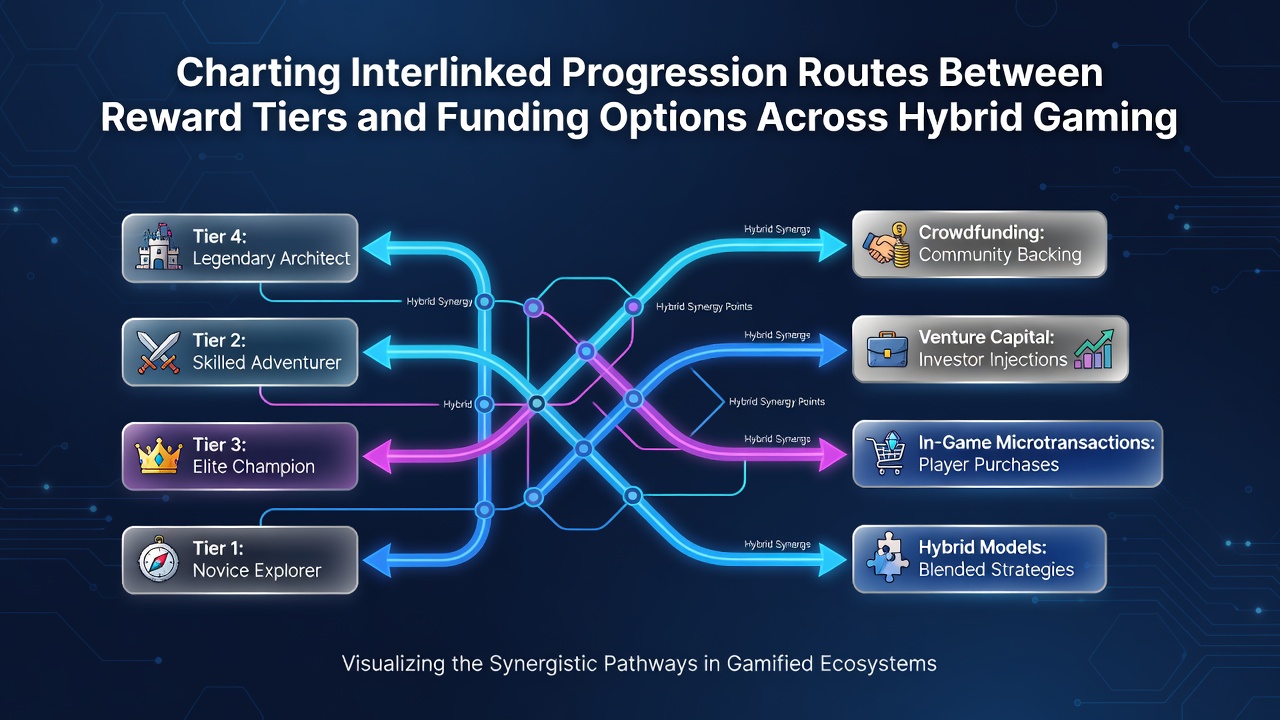
What's interesting is how hybrid operators layer bonus structures onto these funding routes, offering tier-specific reload matches that scale with both the payment method and the player's current status level. A player at the mid-tier using cryptocurrency might receive an additional percentage match unavailable to lower-tier participants using the same method, while those funding through prepaid vouchers encounter stricter daily limits that slow overall progression regardless of tier. External research from the University of Las Vegas gaming analytics group demonstrates that participants switching between three or more funding types within a single month achieve tier advancements 18 percent faster than single-method users.
Cross-Format Progression Examples
One documented case involves a Canadian operator that synchronized its online casino, sports betting app, and two physical locations so that a single loyalty account tracks all activity, with funding from any channel feeding the same point pool. Players who deposited via Interac and then played live table games on-site advanced to the next tier within an average of 11 days, compared with 19 days for those using only credit cards across mobile platforms. Australian regulatory filings show similar patterns emerging after several states permitted expanded digital wallet integration with land-based loyalty systems in early 2026.
European operators have introduced tier pathways that reward cross-border play through affiliated brands, where funding in euros on one site contributes to tier status usable at partner properties in other jurisdictions. These routes require careful mapping because currency conversion fees and processing delays can offset the advantage of faster advancement unless players select low-friction payment rails. Observers note that such interlinked systems have grown more common as operators seek to maintain engagement across seasonal travel patterns.
Conclusion
Interlinked progression routes between reward tiers and funding options continue to evolve as hybrid gaming formats expand, with data from regulatory bodies and industry associations showing that payment speed, method availability, and cross-platform tracking together determine how efficiently players move through loyalty structures. The connections between these elements remain measurable through operator reports and academic analyses, providing clear patterns for those examining advancement mechanics across online, mobile, and physical environments.