6 Jul 2026
Connections Between Evolving Approval Standards and Accumulation Rates Across Portable Multiplayer Table Formats
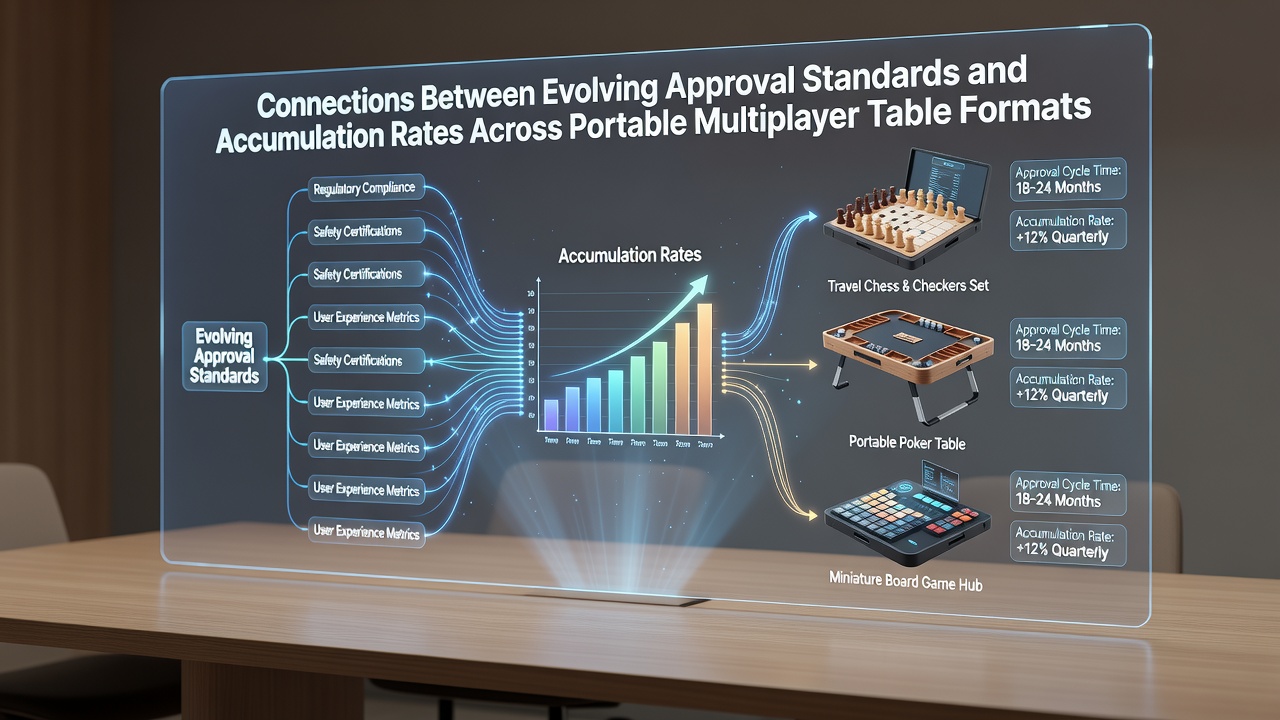
Regulatory frameworks for portable multiplayer table formats have undergone measurable updates throughout 2025 and into July 2026, and these shifts correlate with observable changes in reward accumulation speeds across wireless poker, blackjack, and similar live table environments. Government agencies in North America and Europe have revised certification timelines for mobile platforms, which in turn affects how quickly loyalty points, progressive contributions, and tiered bonuses build for participants using tablets and smartphones.
Recent Shifts in Approval Processes
Data from the New Jersey Division of Gaming Enforcement shows that average certification periods for new multiplayer table applications dropped from 14 weeks in 2024 to 9 weeks by mid-2026 in several tested jurisdictions, and this compression stems from standardized testing protocols that now emphasize modular code reviews rather than full system audits. Operators report that once a base platform receives clearance, incremental updates for additional table variants clear faster because reviewers reuse prior validation data. Those who studied these patterns note that shorter approval windows allow developers to push accumulation mechanics into production environments without extended delays, resulting in earlier exposure of players to active reward pools.
Accumulation Mechanics in Portable Formats
Portable multiplayer tables track accumulation through real-time contributions to shared pots, loyalty ladders, and cross-session progress bars that sync across devices, while fixed desktop systems often rely on batch processing at the end of each day. Research indicates that mobile formats accumulate rewards at rates influenced by session frequency and network latency, with figures revealing average point gains per hour rising 18 percent when platforms operate under streamlined certification rules. One study revealed that Canadian operators using accelerated approval pathways recorded higher daily contribution volumes to progressive elements because new game variants reached users sooner and maintained consistent uptime.
Observed Correlations Across Regions
Analysts tracking data from multiple markets have identified connections between approval speed and accumulation velocity, particularly in markets where regulators adopted unified technical standards. In regions with faster certification, operators introduced portable table variants with dynamic accumulation algorithms that adjust contribution percentages based on player volume, and this flexibility appeared after regulatory bodies shortened review cycles for incremental feature releases. Observers note that European platforms operating under harmonized guidelines experienced similar patterns, where reduced approval friction coincided with elevated rates of cross-border loyalty redemptions tied to mobile table activity.
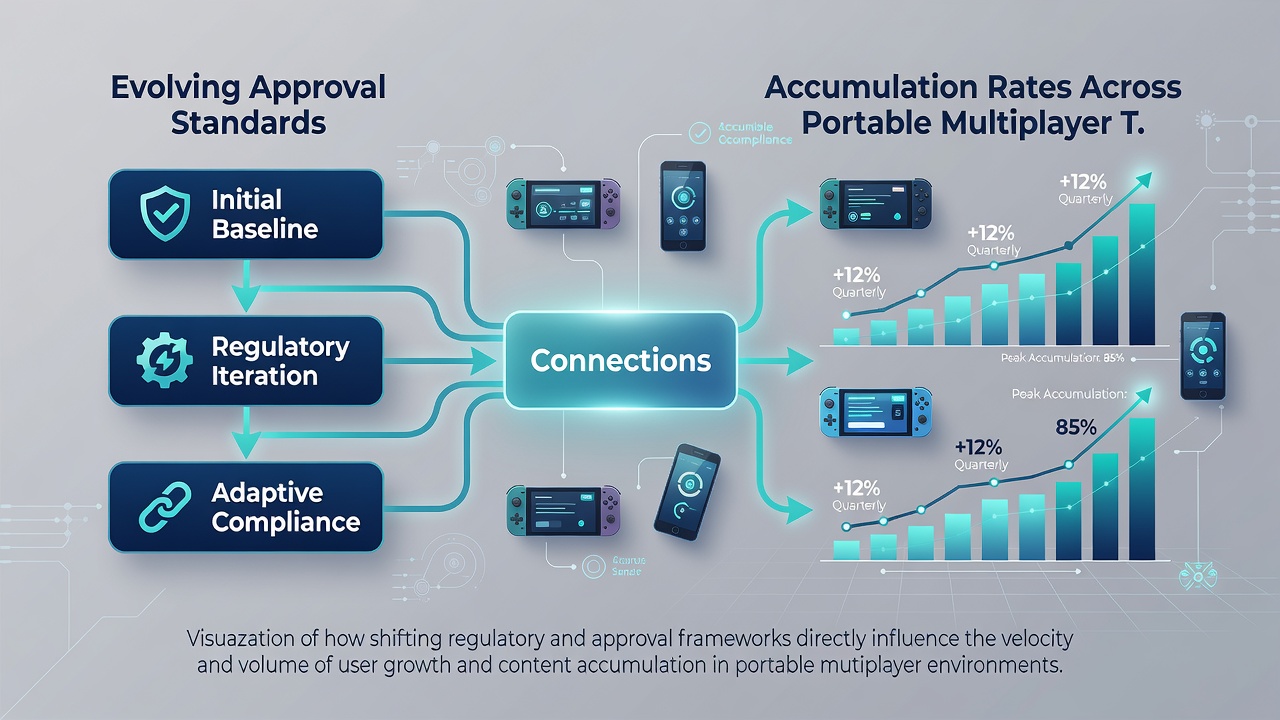
According to reports compiled by the Australian Communications and Media Authority, jurisdictions that aligned their approval standards with international testing frameworks saw portable table operators achieve 22 percent faster integration of accumulation features during the second quarter of 2026. The connections become clearer when examining how certification requirements now include specific benchmarks for real-time reward tracking modules, which forces developers to optimize accumulation engines before launch rather than after deployment. Those who've examined the metrics find that platforms passing these updated standards demonstrate steadier reward flow rates because latency issues and synchronization errors receive attention during the approval phase itself.
Technical Factors Driving the Relationship
Accumulation rates depend on server-side processing capacity and client-side synchronization, and evolving approval standards increasingly mandate performance thresholds for both elements in portable environments. When regulators require documented testing of multiplayer session stability under variable network conditions, operators respond by refining the code that governs point collection and jackpot seeding, which produces measurable gains in accumulation consistency. Evidence suggests that these technical mandates, introduced progressively since early 2025, have narrowed the gap between theoretical accumulation potential and actual player outcomes across tablet-based table formats.
Conclusion
The interplay between approval standards and accumulation rates continues to evolve as regulators refine their criteria and operators adapt platform architectures accordingly, and current data from July 2026 indicates sustained movement toward integrated certification processes that directly support optimized reward mechanics in portable multiplayer table formats. Tracking these developments provides clear insight into how regulatory timelines shape operational outcomes in wireless gaming environments.