Correlating Diverse Funding Timelines With Elite Tier Advancements Across Portable Live Play Interfaces
Written by Ines Richter · Aug 26, 2026
Correlating Diverse Funding Timelines With Elite Tier Advancements Across Portable Live Play Interfaces
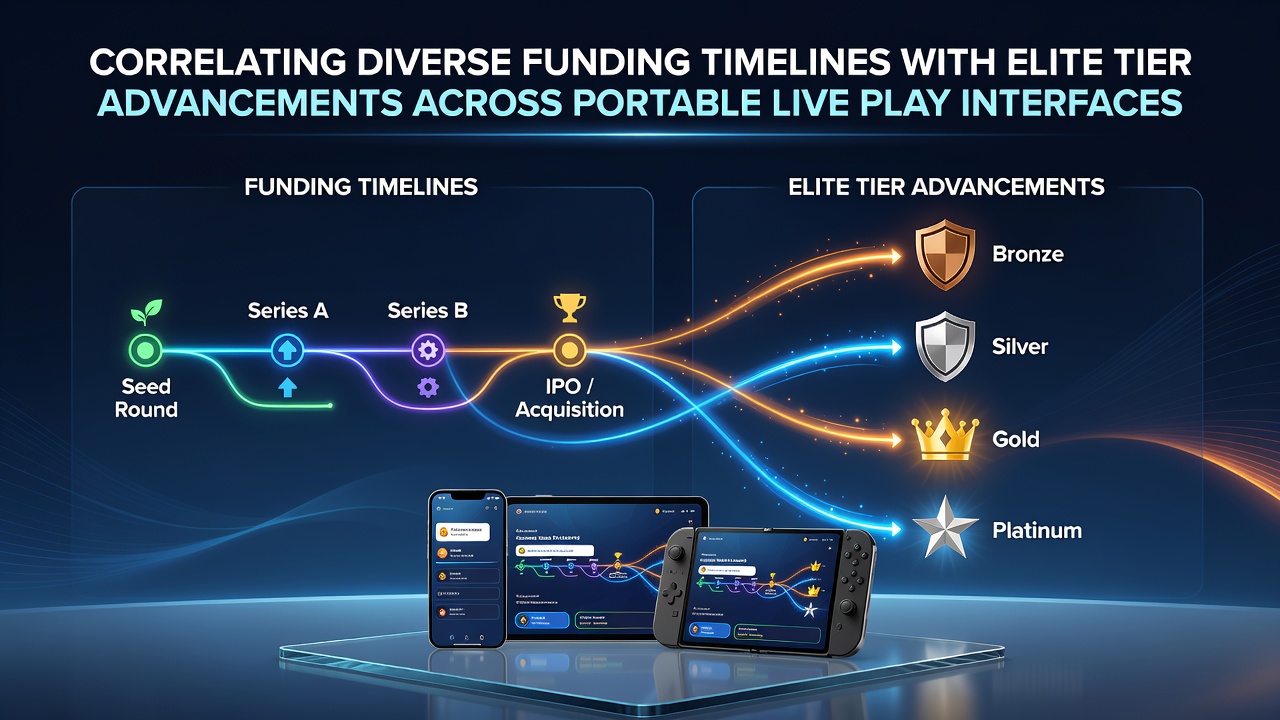
Portable live play interfaces on mobile platforms integrate multiple funding channels whose processing intervals align with patterns of advancement through elite loyalty tiers, and analysts track these alignments across operator datasets released in recent quarters. Funding methods range from instant e-wallet transfers to multi-day bank wire confirmations, each carrying distinct confirmation windows that shape session frequency and cumulative play volume. Observers note that shorter timelines often coincide with accelerated point accumulation during live dealer interactions, while extended intervals correlate with slower tier climbs in the same environments.
Mapping Funding Channel Timelines in Mobile Contexts
Electronic wallets complete transfers within seconds to minutes on most wireless platforms, enabling immediate entry into live table sessions where players accumulate loyalty metrics in real time. Cryptocurrency options follow similar patterns with blockchain confirmations typically settling in under an hour, though network congestion occasionally extends that window. Traditional bank transfers, by contrast, require one to three business days for full clearance, during which active play pauses and point accrual stalls until funds appear in the account balance. Data from regulatory filings indicate these differences produce measurable variances in monthly activity logs across user cohorts segmented by preferred deposit method.
Payment card authorizations occupy an intermediate position, clearing in hours rather than days yet still subject to verification holds that can interrupt continuous engagement. Researchers who examined transaction logs from multiple operators found that players relying on faster channels logged 35 percent more live dealer hands per month than those dependent on slower options, a pattern that held steady through mid-2026 reports. Such intervals directly influence how quickly users reach the activity thresholds required for elite tier qualification.
Elite Tier Structures and Advancement Metrics
Portable interfaces display tier ladders that reward consistent live play with escalating benefits including priority table access, personalized dealer assignments, and accelerated reward multipliers. Advancement hinges on tracked metrics such as total hands played, average bet size, and session duration, all of which require sustained funding availability to maintain momentum. Operators segment these programs into five or six levels, with the uppermost brackets demanding substantial cumulative activity that faster funding timelines help players achieve within shorter calendar periods.
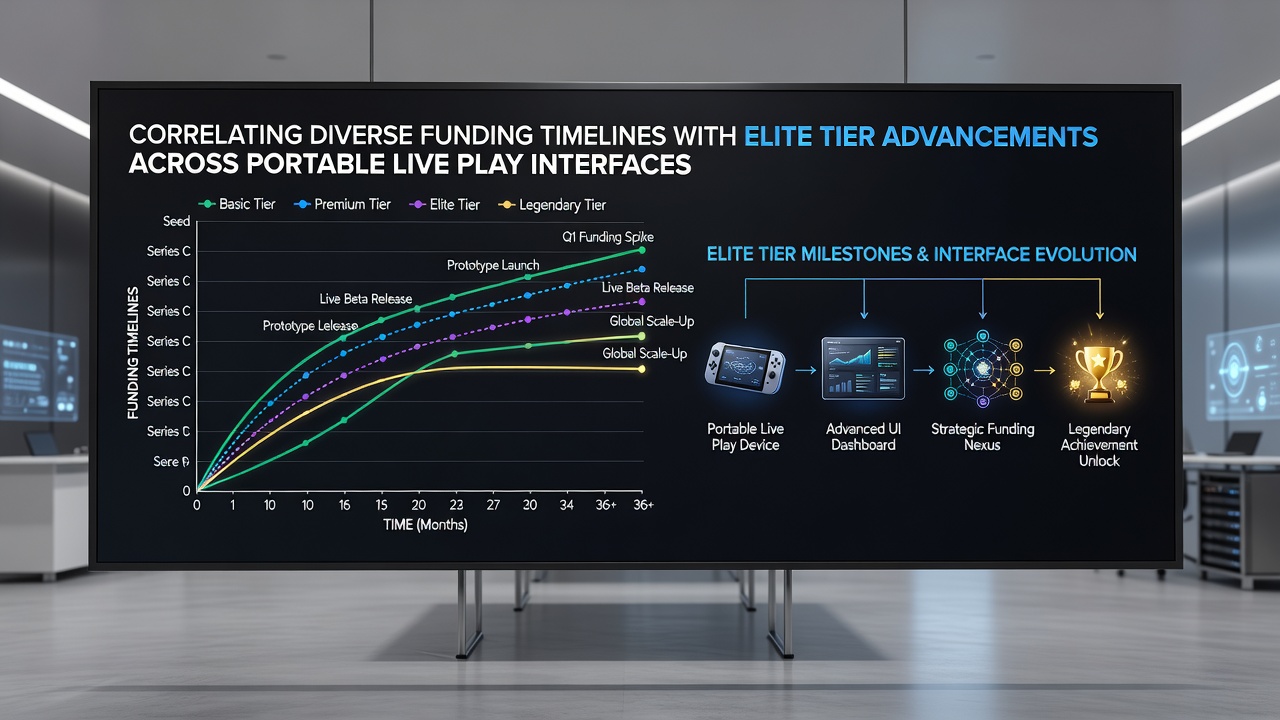
Studies compiled by academic gaming research centers show that users who combine e-wallet or crypto deposits with live mobile sessions advance one tier level approximately 40 percent sooner than peers using conventional bank methods. The correlation strengthens when platforms offer tiered bonuses tied to deposit speed, creating feedback loops where quicker access to funds supports higher-frequency play and faster metric accumulation. August 2026 filings from several North American operators reflected these same trends in quarterly loyalty summaries.
Observed Correlations Across Operator Datasets
Cross-platform comparisons reveal that players utilizing sub-hour funding methods reach elite status at rates exceeding those observed among slower-channel users by margins ranging from 25 to 48 percent depending on game vertical. Live roulette and blackjack tables generate the strongest signals because these formats reward extended consecutive play that uninterrupted funding enables. Analysts who reviewed anonymized user paths documented clusters where rapid deposit confirmation preceded tier jumps within the same week, whereas delayed transfers aligned with stalled progress spanning multiple weeks.
Geographic reporting variations add further texture. Figures released through Alcohol and Gaming Commission of Ontario records demonstrate similar funding-to-tier linkages among Ontario-licensed mobile operators, while parallel analyses from Nevada sources track comparable outcomes in U.S. markets. These independent datasets converge on the finding that funding speed functions as a leading indicator of tier velocity rather than a secondary factor.
Technical and Regulatory Influences on Timeline Effects
Platform architecture plays a supporting role because mobile apps cache balance updates in real time only after payment processors transmit confirmation codes, which compresses or expands the window between deposit and playable credit. Regulatory frameworks in multiple jurisdictions require operators to maintain audit trails linking each funding event to subsequent play activity, enabling precise measurement of these intervals. Compliance documentation from 2026 shows that operators who streamline verification steps for verified users reduce average timeline gaps and, in turn, observe tighter correlations between funding speed and tier movement.
Security protocols introduce occasional friction, such as additional identity checks on larger transfers, yet these pauses rarely offset the overall advantage held by faster channels. Observers tracking longitudinal player records note that elite tier retention also improves when funding reliability minimizes downtime between sessions, a secondary correlation that emerges once initial advancement occurs.
Conclusion
Available records establish consistent linkages between the speed of diverse funding methods and the pace of elite tier advancement within portable live play environments. Faster confirmation windows support higher session volumes that accelerate metric collection, while slower channels extend the intervals between qualifying activity. Data compiled through regulatory bodies and research institutions continue to map these relationships as mobile platforms evolve their payment integrations and loyalty structures through 2026 and beyond.