Decoding How Sound Layering Techniques Influence Session Durations in Skill-Infused Reel Sequences on App Platforms
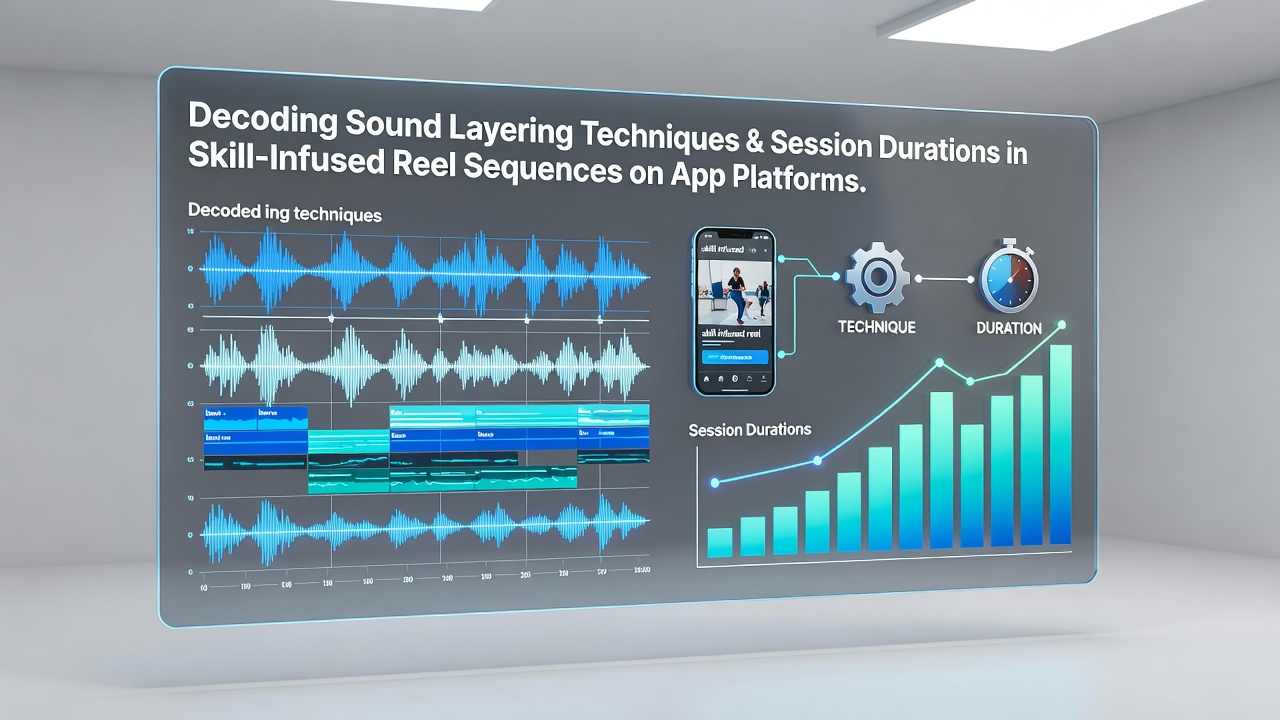
Sound layering techniques combine multiple audio elements such as background music, spinning reel effects, win chimes, and interactive skill prompts within reel sequences on app platforms, creating immersive experiences that extend player engagement over time. Developers build these layers to synchronize with visual feedback, where each component activates at precise moments during spins and decision points. Research from gaming technology labs indicates that balanced layering maintains attention without overwhelming users, particularly in sequences that incorporate skill-based mechanics like timed taps or pattern matching. Observers note that platforms deploying these methods report measurable differences in how long users remain active per session compared to simpler audio setups.
Core Components of Layered Audio Design
Audio designers construct reel sequences by stacking independent tracks that respond dynamically to gameplay events, including low-frequency hums for tension during spins, mid-range pulses for skill activation windows, and high-pitched accents for successful outcomes. These elements operate on separate channels so that they blend without clashing, allowing the system to adjust volume and timing based on player choices. Studies conducted at institutions focused on human-computer interaction have shown that such layering correlates with sustained focus, as users process both auditory cues and visual reels simultaneously. App platforms that refine these layers often see extended interaction periods, because the audio provides continuous feedback that encourages repeated attempts at skill challenges embedded in the reels.
Integration with Skill Mechanics and Reel Dynamics
Skill-infused reel sequences require players to perform actions like stopping reels at optimal positions or selecting multipliers during play, and layered sounds guide these decisions by escalating intensity as time windows approach. For instance, a rising tone might signal an upcoming skill prompt while underlying reel spins continue at steady rhythm, creating a multi-threaded auditory environment. Data collected from app analytics in various markets reveals that sequences featuring progressive audio cues tied to skill elements tend to prolong sessions, since players respond to the feedback loop that rewards precise timing. Experts tracking these patterns across different regions have observed that platforms updating their layering approaches in line with evolving player preferences maintain higher retention metrics through mid-2026.
Session Duration Patterns Across Platforms
Analytics from multiple app ecosystems demonstrate that sound layering influences session length by modulating arousal levels, where subtle ambient tracks prevent fatigue during longer play while sharper skill-related sounds heighten engagement at key moments. Platforms in North America and parts of Asia have documented average session extensions ranging from several minutes to over ten percent when layering incorporates adaptive elements that react to user performance history. Government reports from regulatory bodies such as the Pennsylvania Gaming Control Board highlight how technical audio specifications factor into compliance reviews for interactive features, underscoring the role of sound in shaping play patterns. Those who analyze session data across skill-infused titles note that well-calibrated layers reduce abrupt exits by maintaining a sense of progression through the reel sequence.
Regional Trends and Technical Adjustments in 2026
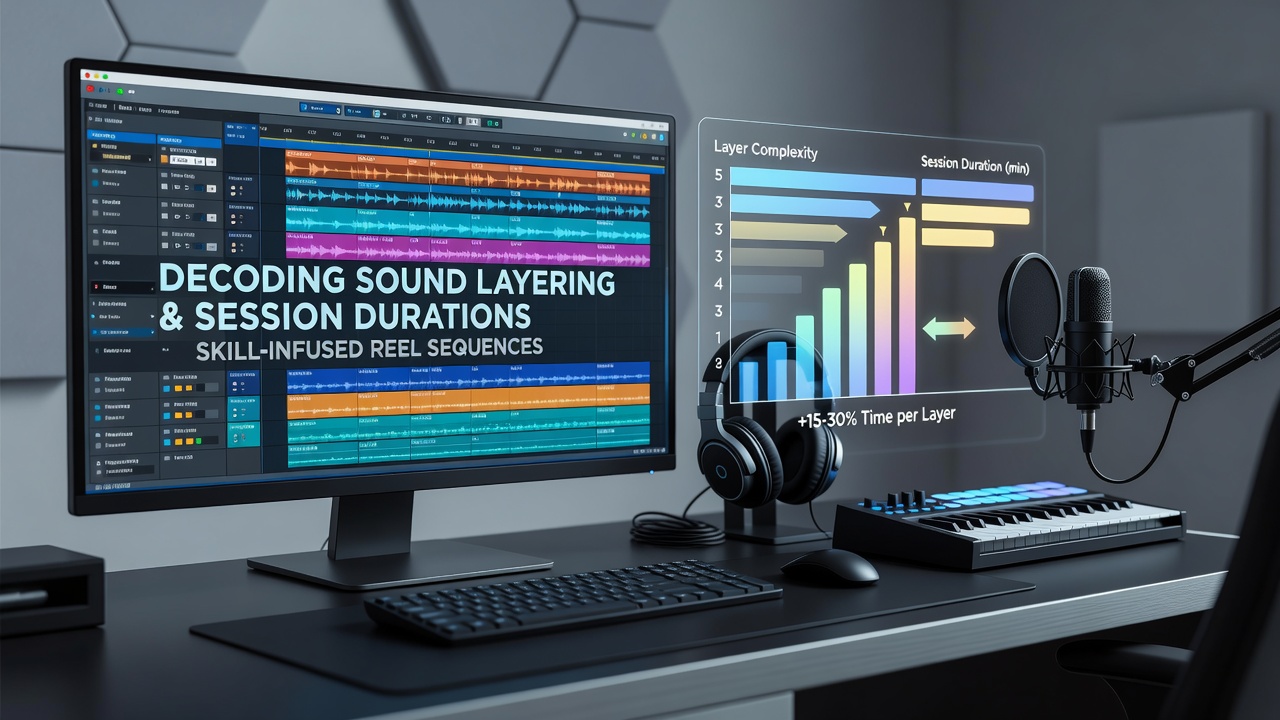
By June 2026, developers across European and Australian markets had incorporated region-specific layering adjustments to account for varying device audio capabilities and player demographics. These modifications often involve dynamic mixing algorithms that lower background elements during intense skill sequences while amplifying success indicators, leading to documented shifts in session metrics according to industry association reports. Research papers published through academic channels focused on digital entertainment have examined how these adjustments interact with regulatory standards in multiple jurisdictions, revealing consistent patterns where refined layering supports longer, more controlled play intervals. App platforms adopting such techniques continue to monitor real-time feedback to fine-tune the balance between immersion and user comfort.
Conclusion
Sound layering techniques shape session durations in skill-infused reel sequences by delivering synchronized auditory feedback that aligns with player actions and reel outcomes on app platforms. Evidence from analytics and technical studies shows measurable impacts on engagement length when designers optimize track independence and adaptive responses. As platforms refine these approaches amid ongoing developments in 2026, the interplay between layered audio and skill mechanics remains a key factor in how users interact with digital reel experiences across global markets.