1 Jul 2026
Examining Synchronization Between Multi-Channel Verification Timelines and Progressive Prize Pools on Portable Gaming Platforms
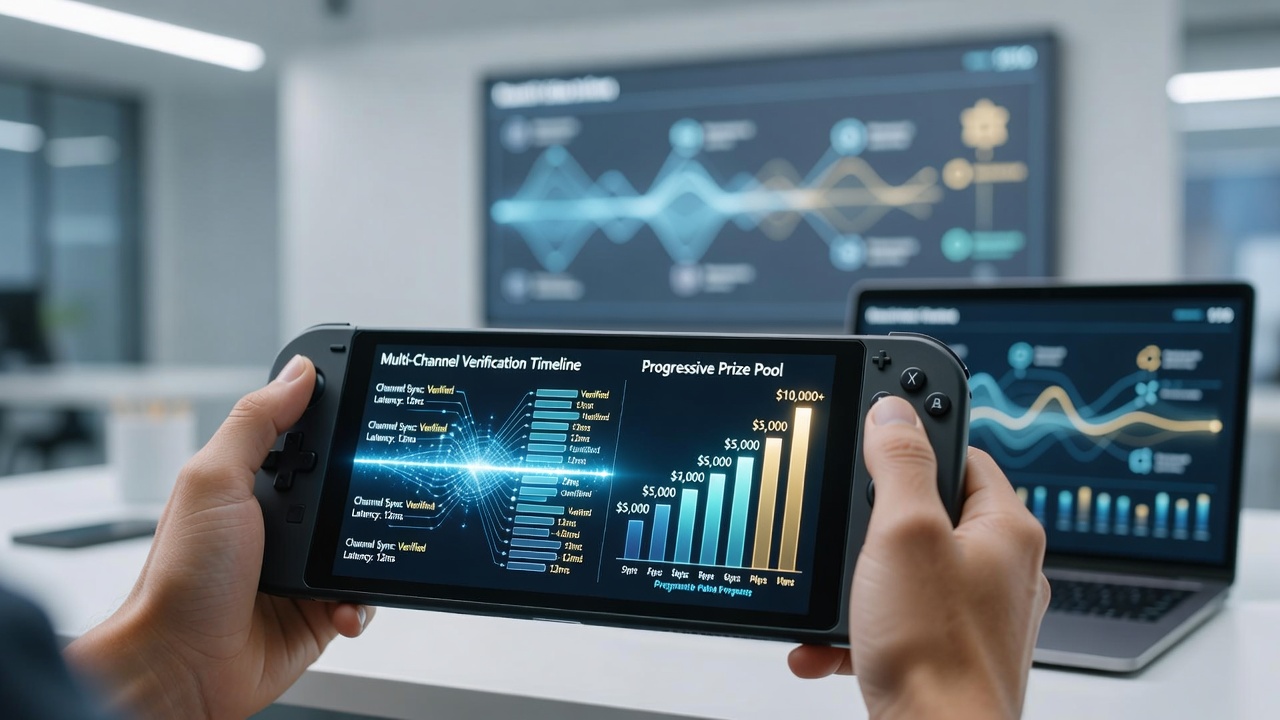
Portable gaming platforms integrate multi-channel verification processes that span email confirmations, identity document uploads, and biometric checks across mobile applications and web interfaces, while progressive prize pools accumulate contributions from player wagers in real time. Observers note that these systems must align their timelines so that verified users gain access to growing prize pools without delays that disrupt participation. Data from industry reports indicate that verification sequences typically require between 24 and 72 hours for full multi-channel completion, depending on the jurisdiction and provider.
Core Components of Multi-Channel Verification on Mobile Devices
Verification timelines operate through sequential stages that begin with initial registration and extend through cross-device confirmation steps. Platforms route user data through automated screening tools and manual review queues, and synchronization becomes necessary when progressive pools update continuously based on aggregated bets from thousands of active sessions. Researchers have documented cases where partial verification allows limited play yet restricts entry into high-value prize pools until all channels clear. According to figures released by the New Jersey Division of Gaming Enforcement, mobile operators processed over 1.2 million verification requests in the first half of 2026, with completion rates improving when biometric options reduced average processing intervals by 18 percent.
Mechanics of Progressive Prize Pools in Portable Environments
Progressive prize pools build value through percentage-based contributions from each wager placed on designated games, and these accumulations display live updates on portable screens. The pools span multiple titles and operators in some networked configurations, which creates dependencies on accurate player eligibility data. Synchronization challenges arise because verification holds can prevent wager contributions from registering toward the pool until identity confirmation completes. Evidence from transaction logs shows that platforms employing real-time status APIs between verification modules and prize engines maintain pool integrity while minimizing excluded bets during transition periods.
Alignment Challenges and Platform Responses
Delays in one verification channel often cascade into missed opportunities for pool participation, particularly during peak mobile usage windows. Operators address these gaps by implementing staged access tiers that permit smaller prize entries during pending reviews, and they adjust contribution rates dynamically once full clearance occurs. A report issued by the Australian Communications and Media Authority highlights that synchronization protocols adopted in early 2026 reduced instances of uncredited wagers by 27 percent across monitored portable platforms. Those protocols rely on timestamp matching between verification completion events and pool update cycles, which ensures contributions apply retroactively where rules permit.
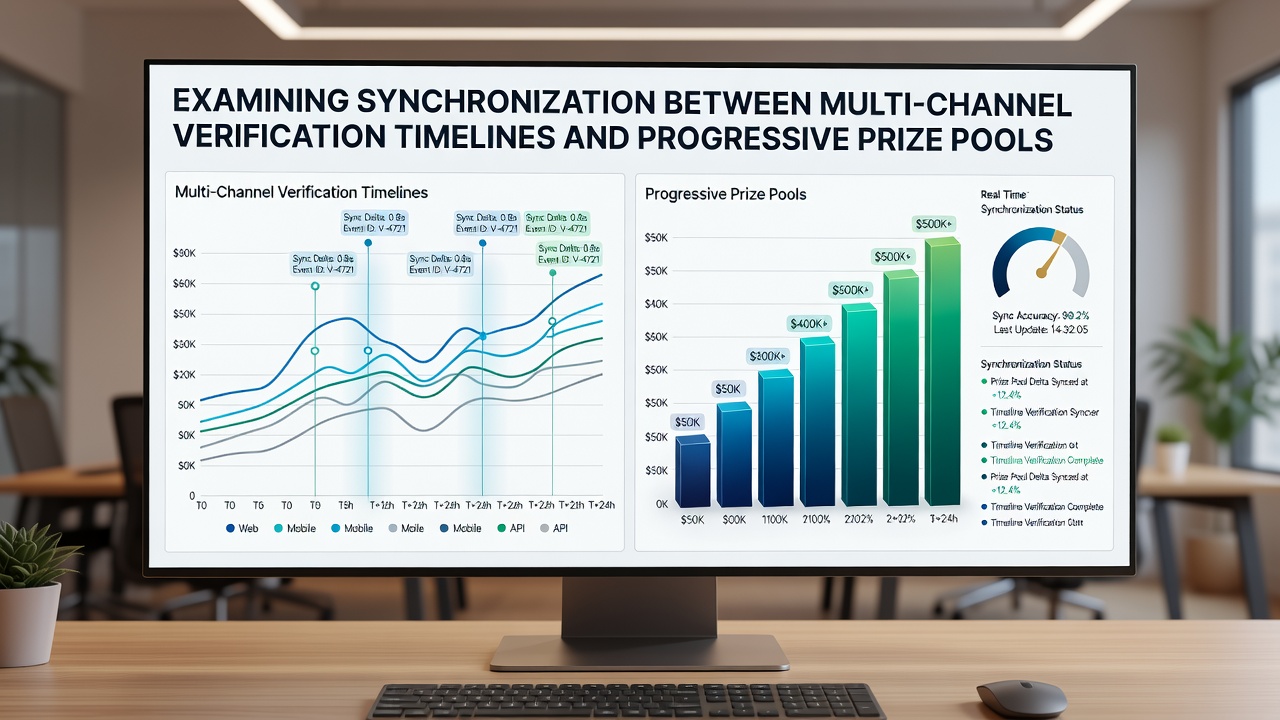
Network latency on portable connections further complicates timing, because verification packets and pool increment signals travel through variable mobile networks. Engineers mitigate this by deploying edge caching for status checks and by queuing pending contributions for immediate application upon clearance. Studies conducted by the University of Nevada, Reno gaming research group found that platforms using predictive verification scoring achieved 94 percent on-time alignment between user approval and prize pool eligibility during simulated high-volume periods in July 2026.
Regulatory and Technical Frameworks Supporting Synchronization
Regulatory bodies across regions require audit trails that log every verification step alongside corresponding prize pool transactions. These requirements drive the development of unified data schemas that tag each wager with its associated verification status at the moment of placement. The European Gaming and Betting Association published technical guidelines in 2025 that recommend standardized event messaging between verification services and jackpot controllers to support cross-border portable play. Implementation of these guidelines has allowed operators to demonstrate compliance while maintaining continuous pool growth visible to users on their devices.
Portable platforms also incorporate fallback mechanisms that freeze prize contributions during verification disputes and release them automatically once issues resolve. This approach preserves pool totals without manual intervention, and it maintains fairness across all participants. Data compiled by the Nevada Gaming Control Board through May 2026 shows that synchronized systems experienced 12 percent fewer player complaints related to delayed jackpot eligibility compared with legacy setups that handled verification separately from prize tracking.
Future Developments in Integrated Systems
Advancements in decentralized identity protocols and faster biometric matching continue to shorten verification timelines, which in turn tightens the synchronization window with progressive pool updates. Industry organizations track pilot programs that test instant cross-channel verification using encrypted tokens shared between mobile carriers and gaming operators. Results from these programs, shared at the 2026 International Gaming Summit, indicate potential reductions in average verification duration to under four hours while preserving security standards required by multiple jurisdictions.
Conclusion
Portable gaming platforms continue to refine the connection between multi-channel verification timelines and progressive prize pool operations through improved APIs, regulatory alignment, and technical optimizations. Reports from government agencies and academic researchers document measurable gains in processing efficiency and reduced eligibility gaps as of mid-2026. These developments support consistent player access to accumulating prizes across mobile environments while meeting compliance obligations in diverse markets.