19 Jun 2026
How Interconnected Provider APIs Reshape Progressive Network Distributions in Multi-Jurisdictional Wireless Formats
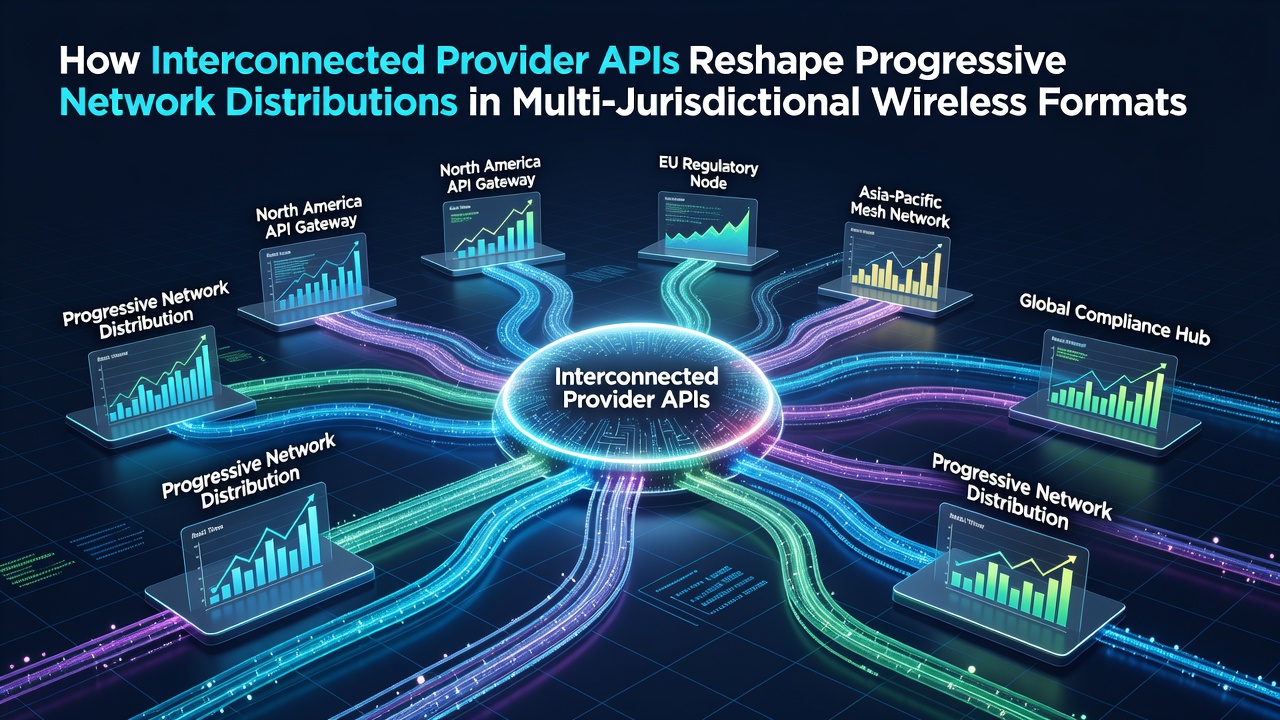
Interconnected provider APIs have become central to how progressive jackpot networks operate across different regions and wireless platforms, allowing operators to synchronize contributions and payouts in real time. These application programming interfaces connect game providers, payment processors, and regulatory systems so that a single progressive pool can span multiple jurisdictions while maintaining compliance with local rules. Data from industry reports shows that API-driven integrations reduced settlement times for cross-border progressive contributions by up to 40 percent between 2024 and 2026.
Core Mechanics of API Integration in Wireless Environments
Wireless formats rely on mobile networks and cloud-based servers that must handle variable latency and intermittent connectivity. Provider APIs address these challenges by using standardized data formats and secure authentication protocols that let different systems exchange information about player activity, bet amounts, and jackpot growth without exposing sensitive details. Observers note that this approach supports seamless updates when a player moves between jurisdictions because the API layer manages location verification and rule adjustments automatically.
Studies indicate that operators using interconnected APIs achieve higher uptime for progressive meters on mobile devices compared with older point-to-point connections. The architecture typically includes middleware that queues transactions during network disruptions and reconciles them once connectivity returns, ensuring no contributions are lost. In June 2026 several major platform providers released updated API specifications that added support for 5G edge computing, further reducing the time between a bet placement and its reflection in the shared progressive pool.
Multi-Jurisdictional Compliance and Distribution Models
Each jurisdiction maintains distinct tax rates, player eligibility rules, and reporting requirements. Interconnected APIs incorporate compliance modules that apply the correct parameters based on geolocation data collected at the device level. Researchers have documented cases where these modules automatically split progressive contributions according to the proportion of play originating from each participating region, creating transparent distribution ledgers that regulators can audit in real time.
Evidence from regulatory filings reveals that jurisdictions adopting API-based reporting saw a 25 percent decrease in manual reconciliation errors during 2025. The system flags anomalies such as unusual contribution spikes or mismatched player locations, triggering alerts before funds enter the progressive pool. This capability proves especially useful in markets where operators must maintain separate progressive funds for different license types while still allowing players to compete for a unified top prize.
Impact on Network Scalability and Player Experience
Scalability improves when providers connect through common APIs because new games or jurisdictions can join the network without rebuilding core infrastructure. One documented implementation in North America demonstrated that adding a new state to an existing progressive network required only configuration changes rather than custom code development, shortening rollout timelines from months to weeks. Figures released by the Canadian Gaming Association show that API-connected networks handled a 62 percent increase in mobile progressive play volume during the first half of 2026 without corresponding growth in operational staff.
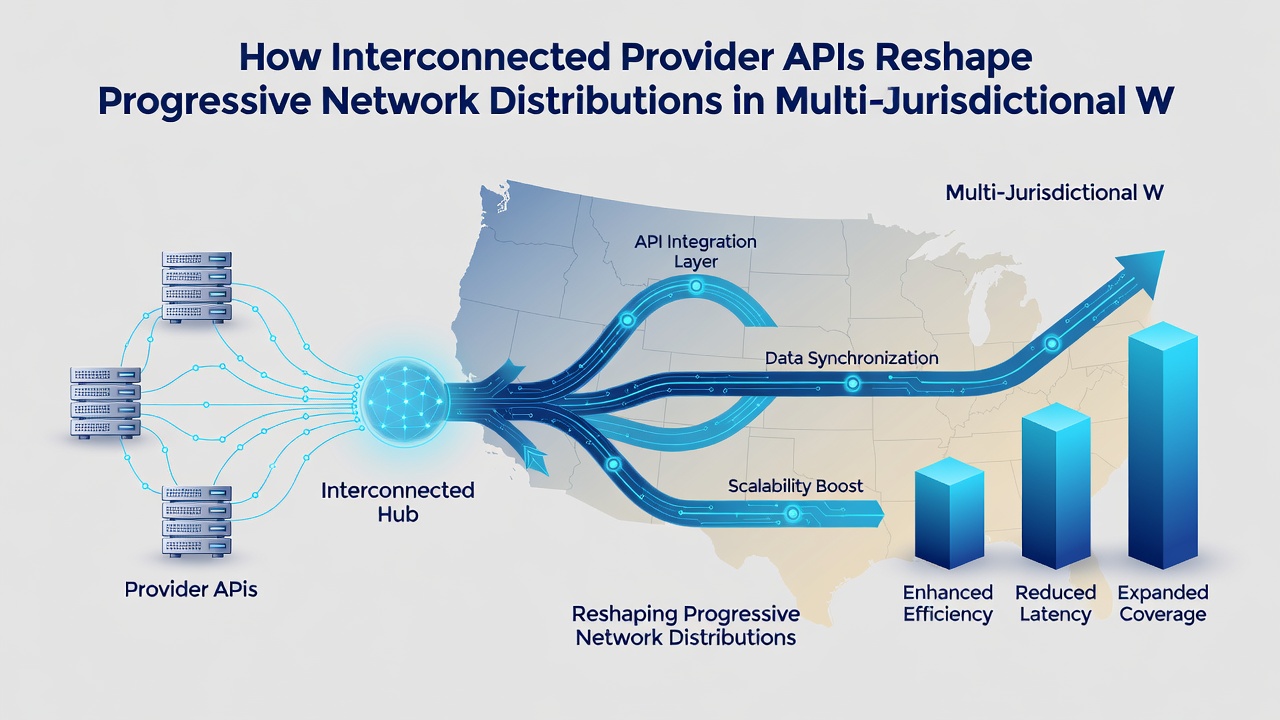
Players benefit from consistent jackpot visibility and faster payout processing regardless of their location within the network. Transaction confirmation intervals shorten because APIs push updates directly to mobile applications rather than relying on periodic batch processing. Those who have examined user analytics note that session lengths on wireless platforms with real-time progressive displays tend to extend when meters update continuously and accurately across borders.
Security Considerations and Data Exchange Standards
Secure data exchange remains a priority because progressive networks transmit financial information across multiple entities. APIs employ encryption standards and token-based authorization that limit access to only the data fields each party requires. Industry groups such as the World Lottery Association have published guidelines recommending regular penetration testing and standardized audit trails for all API endpoints involved in progressive distributions.
According to analyses from the Nevada Gaming Control Board, networks using these protocols experienced fewer than 0.01 percent of transactions requiring manual intervention due to security flags in 2025. The same reports highlight that multi-factor authentication at the API level, combined with device fingerprinting, helps prevent unauthorized access even when players switch between wireless carriers or cross state lines.
Future Developments in API-Driven Progressive Systems
Continued evolution of these systems points toward greater use of event-driven architectures that push updates the moment a contribution occurs rather than on scheduled intervals. Pilot programs launched in early 2026 tested APIs capable of incorporating cryptocurrency contributions into traditional progressive pools while maintaining separate ledgers for each jurisdiction's currency regulations. Initial results indicate that such hybrid models can operate within existing compliance frameworks provided the API layer enforces jurisdiction-specific conversion and reporting rules.
Academic papers from institutions studying digital gaming infrastructure emphasize that the modular nature of interconnected APIs allows operators to replace individual components without disrupting the entire progressive network. This flexibility supports ongoing adaptation as wireless technologies and regulatory landscapes continue to shift.
Conclusion
Interconnected provider APIs have established a foundation for progressive networks that function reliably across multiple jurisdictions and wireless formats. By handling real-time data exchange, compliance adjustments, and security requirements within a single framework, these interfaces enable operators to expand networks efficiently while meeting diverse regulatory obligations. Ongoing refinements scheduled for later in 2026, including enhanced 5G integration and hybrid payment support, indicate that the role of APIs in shaping progressive distributions will continue to grow.