Linking Tiered Reward Ladders to Multi-Device Payment Confirmation Cycles in Progressive Reel Formats
Written by Ines Richter · Aug 19, 2026
Linking Tiered Reward Ladders to Multi-Device Payment Confirmation Cycles in Progressive Reel Formats
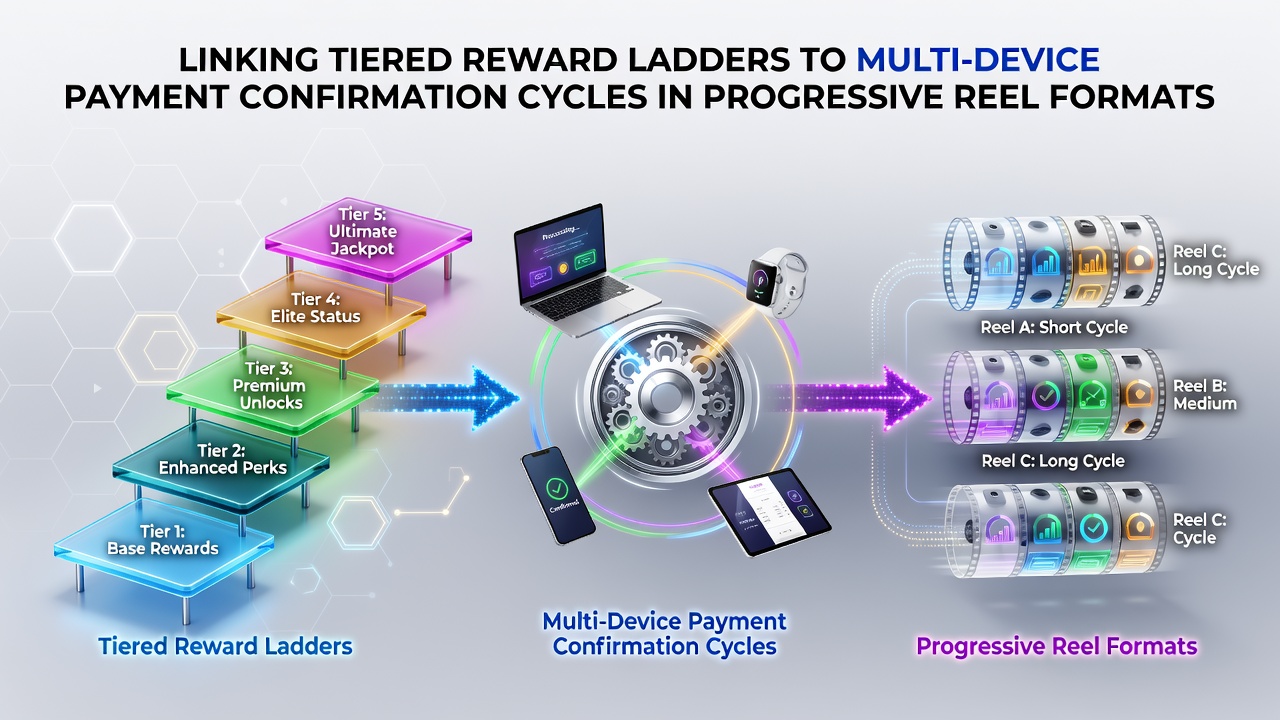
Progressive reel formats operate through jackpot pools that accumulate across networked machines and digital platforms while players advance through structured reward ladders that unlock benefits at defined contribution thresholds. Observers note these ladders typically segment users into bronze, silver, gold, and platinum tiers based on cumulative activity metrics that include wager volume and session frequency. Payment confirmation cycles enter the equation when systems must verify transactions across smartphones, tablets, and desktop interfaces before crediting rewards or advancing tier status.
Mechanics of Progressive Reel Systems
Progressive reel formats link individual machines or game instances to a shared meter that grows with each qualifying bet, and data from industry reports shows these meters can span multiple jurisdictions when operators synchronize software protocols. Researchers discovered that confirmation intervals for payments often determine whether a contribution registers toward the progressive pool before the next spin sequence begins. In August 2026 figures released by several North American operators revealed average confirmation times ranging from 1.2 seconds on dedicated apps to 4.8 seconds on browser-based sessions, creating measurable differences in reward accrual rates.
Tiered Reward Structures and Their Dependencies
Tiered reward ladders assign escalating perks such as cashback percentages, exclusive progressive access, and accelerated point multipliers once players meet volume thresholds, and these structures depend on accurate tracking of confirmed transactions. Experts have observed that unconfirmed or pending payments across device switches can stall ladder progression until the cycle completes, particularly when users move from mobile deposits to desktop play within the same hour. One study revealed that operators using unified ledgers reduced such stalls by integrating real-time API calls between payment gateways and loyalty databases.
Multi-Device Confirmation Processes
Multi-device environments require systems to reconcile session data from disparate endpoints while maintaining a single player profile, and payment gateways must transmit authorization tokens that survive platform handoffs. Those who've studied these cycles know that latency spikes during peak hours can interrupt the chain, forcing manual reconciliation that delays tier updates by minutes or hours. Australian regulatory summaries from mid-2026 documented cases where cross-device confirmations averaged 3.7 seconds longer than single-device flows, prompting several providers to deploy edge caching solutions.
Integration Points Between Ladders and Cycles
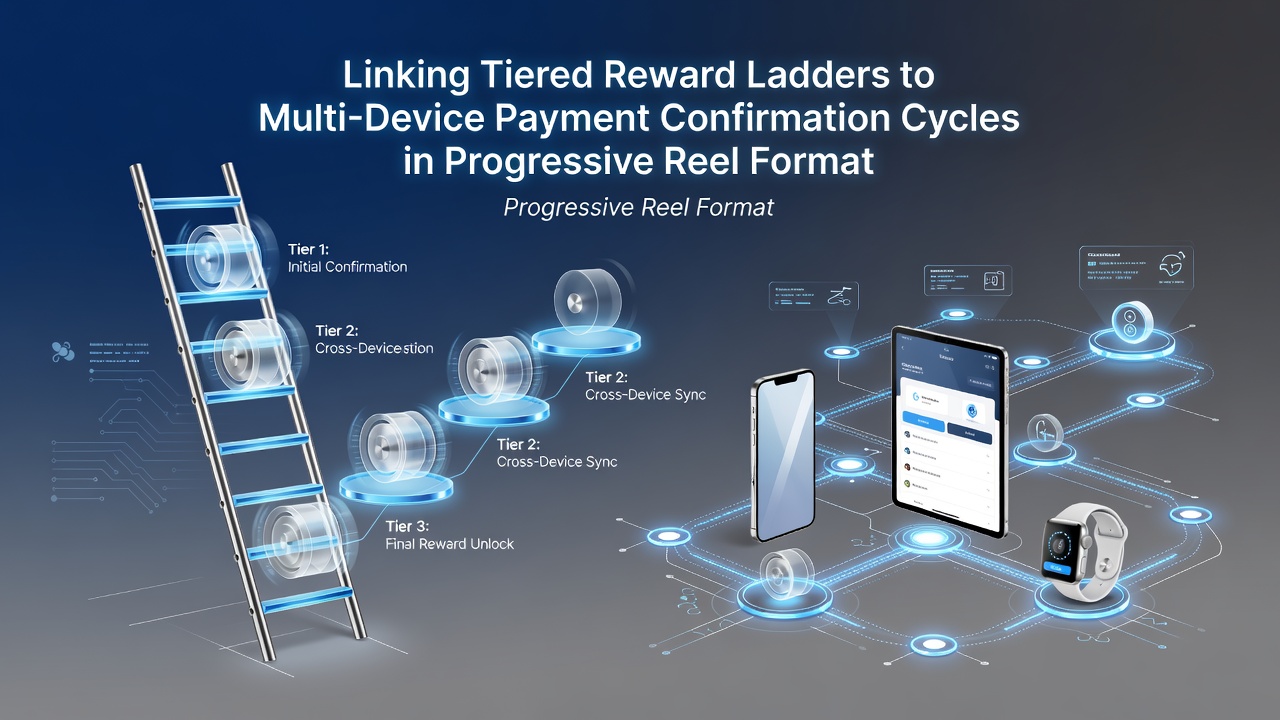
Linking mechanisms rely on timestamped transaction logs that feed directly into loyalty engines, allowing tier status to reflect only fully confirmed contributions to progressive meters. Data indicates that operators who embed confirmation status flags within the reel engine itself achieve tighter synchronization, reducing instances where players receive rewards for unverified activity. What's interesting is how these flags also prevent duplicate crediting when the same wager attempts to register across two devices simultaneously.
Payment providers supply webhook notifications that trigger both jackpot meter increments and ladder point awards, and the timing of these notifications determines whether a player advances mid-session or waits until the next login. Canadian provincial reports covering the first half of 2026 highlighted that platforms enforcing sub-two-second confirmation standards saw 18 percent higher tier retention rates compared with slower networks.
Developments Observed in August 2026
By August 2026 several major platforms had deployed unified confirmation layers that treat mobile and desktop sessions as interchangeable nodes within the same progressive network. American Gaming Association metrics noted a 22 percent reduction in reconciliation disputes after these layers went live. Meanwhile European operators referenced in trade publications adopted similar protocols to align with evolving technical standards for real-time gaming integrity.
Additional testing in multi-jurisdictional environments showed that embedding device fingerprinting within confirmation cycles further stabilized reward ladder calculations, and the approach minimized discrepancies when players switched networks mid-session. Researchers continue to track how these technical adjustments influence overall contribution volumes to progressive pools without altering underlying game mathematics.
Conclusion
The linkage between tiered reward ladders and multi-device payment confirmation cycles shapes how progressive reel formats distribute both jackpots and loyalty benefits in practice. Systems that maintain consistent confirmation standards across endpoints enable smoother progression through reward tiers while preserving the integrity of accumulating meters. Continued refinement of these connections supports reliable operation as player behavior spans an expanding array of access points.