10 Jun 2026
Mapping transaction confirmation intervals with multi-format package distributions in loyalty progression systems for wireless platforms
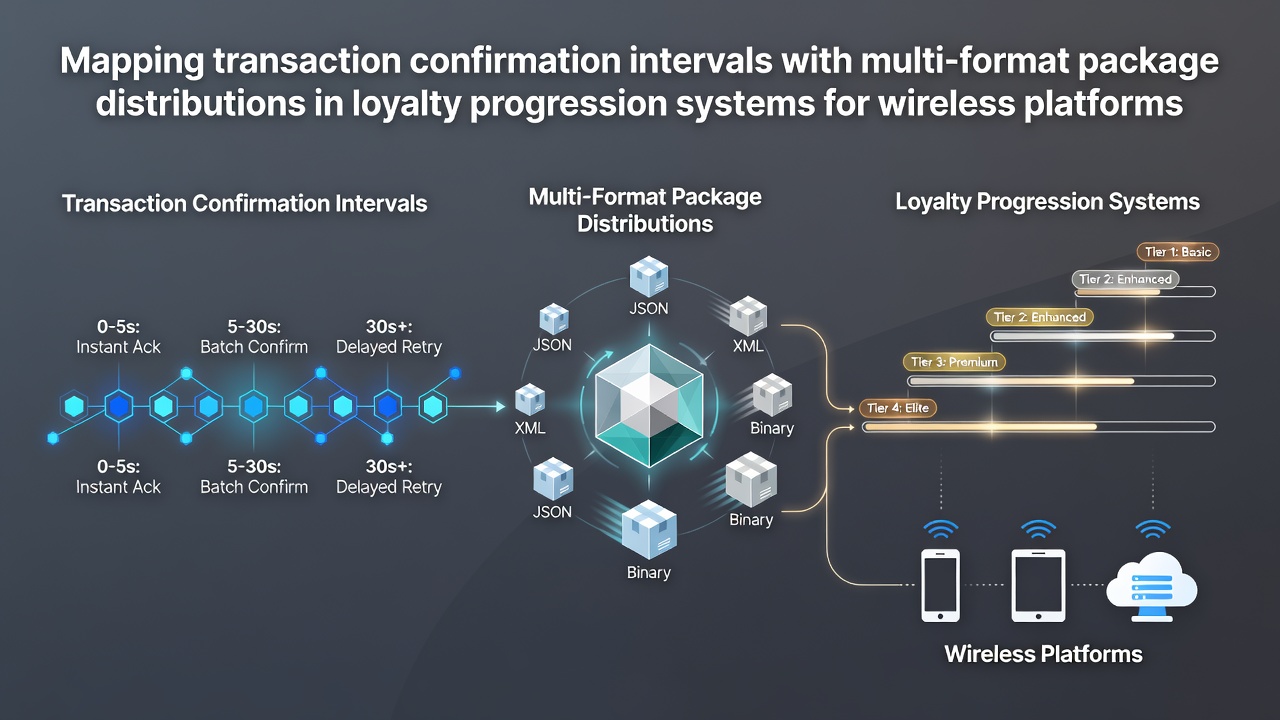
Wireless platforms have developed intricate methods for tracking transaction confirmation intervals alongside the distribution of multi-format packages within loyalty progression systems, and these processes rely on precise data synchronization across mobile networks. Transaction confirmation intervals refer to the time spans between when a user initiates a payment or reward claim and when the system verifies and records it, while multi-format package distributions involve delivering rewards in varied structures such as digital credits, tiered access levels, and bundled incentives that adapt to user activity patterns.
Core Components of Transaction Mapping
Systems on wireless platforms integrate real-time monitoring tools that capture confirmation intervals ranging from milliseconds in high-speed 5G environments to several seconds on variable connections, and researchers have documented these variations through network performance analyses conducted by institutions like the National Institute of Standards and Technology. Multi-format packages emerge in these setups as layered reward structures where basic packages deliver immediate credits, intermediate ones unlock progressive milestones, and advanced formats combine both with conditional access based on verified activity. Observers note that mapping these elements requires algorithms capable of aligning interval data with package delivery rules to prevent mismatches that could disrupt user progression through loyalty tiers.
Data from industry reports indicates that platforms handling high volumes of wireless transactions often segment confirmation logs by device type and network protocol, which allows for targeted adjustments in package distribution timing. For instance, shorter intervals on stable connections enable faster release of multi-format incentives, whereas longer delays trigger fallback mechanisms that maintain system integrity without halting reward cycles entirely. This segmentation proves essential in environments where loyalty systems must accommodate fluctuating signal strengths and user mobility across different regions.
Integration with Loyalty Progression Mechanisms
Loyalty progression systems on wireless platforms build upon mapped confirmation intervals by assigning package distributions according to cumulative verified activity thresholds, and evidence suggests that such mappings draw from aggregated datasets compiled across multiple operators. In practice, a user completing a transaction sees their progress updated once the interval closes successfully, at which point the system evaluates eligibility for the next package format whether that means a simple credit boost or a composite reward bundle. Those who have examined these frameworks point out that wireless-specific challenges like intermittent connectivity necessitate redundant verification steps to ensure packages distribute accurately even when primary confirmations encounter brief interruptions.
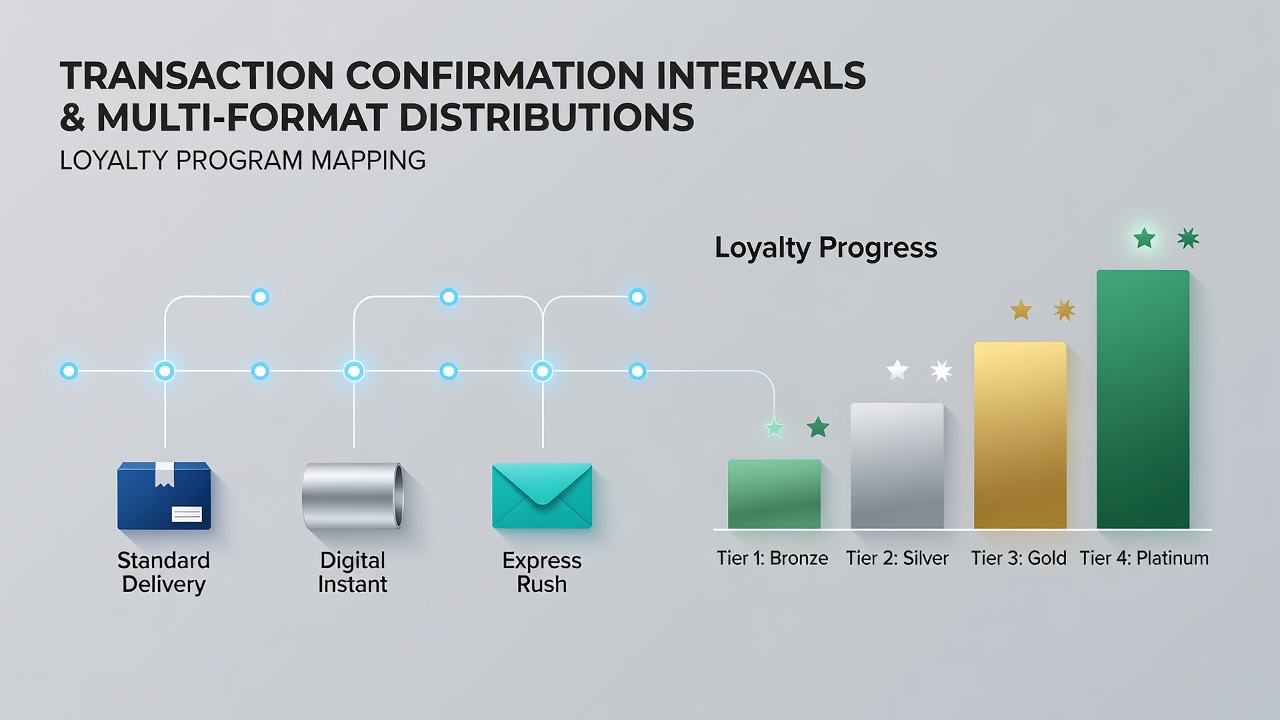
Studies conducted by academic groups at various universities have revealed patterns where platforms adjust interval tolerances seasonally or in response to usage spikes, and this adaptability supports consistent progression across loyalty levels. Multi-format packages in this context often include elements like time-limited access passes alongside standard rewards, creating a distribution model that responds dynamically to the timing of each confirmed transaction. What's interesting is how these adjustments help maintain balance in systems where users switch between devices or networks frequently, as the mapping process accounts for cross-platform data handoffs to preserve accurate tier advancement records.
Technical Approaches and Data Handling in June 2026
By June 2026, several wireless loyalty platforms had implemented enhanced mapping protocols that combined interval analytics with predictive modeling for package distributions, drawing on performance metrics shared through collaborative industry forums. These protocols utilize timestamp synchronization across servers to minimize discrepancies in confirmation records, which in turn supports more reliable allocation of multi-format rewards such as hybrid packages blending monetary credits with experiential benefits. Government agencies in regions including Canada and Australia have published guidelines on data standards for such systems, emphasizing secure logging practices that align with broader digital transaction regulations.
People familiar with platform operations describe the use of distributed ledger elements in some cases to record interval outcomes without central bottlenecks, allowing loyalty systems to process package releases in near real time even during peak hours. This approach connects directly to progression mechanics where users advance through tiers based on verified sequences rather than isolated events, and the mapping ensures that delayed confirmations do not inadvertently block access to subsequent reward formats. External analyses from groups like the European Gaming and Betting Association have highlighted efficiency gains from these integrated methods in mobile environments.
Challenges in Scaling Across Wireless Networks
Scaling these mapping systems across diverse wireless infrastructures presents ongoing considerations around data consistency and package format compatibility, particularly when intervals vary due to regional network differences. Platforms address this through modular software layers that recalibrate distribution rules based on live interval feedback, ensuring that loyalty progression remains uninterrupted for users on everything from urban high-bandwidth connections to rural variable-signal areas. Case examples from operators demonstrate how refined mapping reduces instances of reward mismatches, supporting smoother tier advancements over extended periods.
Research indicates that ongoing refinements in June 2026 focused on incorporating machine learning elements to forecast interval patterns and pre-allocate certain package types accordingly, which helps optimize resource use within loyalty frameworks. Such developments tie into broader efforts to standardize data exchange formats among wireless service providers and platform operators, facilitating more seamless multi-format distributions without compromising confirmation accuracy.
Conclusion
Mapping transaction confirmation intervals with multi-format package distributions continues to evolve as a foundational element in loyalty progression systems designed for wireless platforms, supported by technical standards and performance data from multiple sources. These processes enable precise tracking and reward delivery that align with user activity across varied network conditions, and they reflect adaptations documented in reports from regulatory and research entities worldwide. As platforms refine their approaches, the emphasis remains on maintaining reliable synchronization between confirmation timing and package allocation to sustain effective loyalty mechanisms.