Patterns in Multi-Game Switching Behaviors Among Users of Wireless Live Dealer Platforms and Associated Reward Adjustments
Written by Mia Lehmann · Aug 26, 2026
Patterns in Multi-Game Switching Behaviors Among Users of Wireless Live Dealer Platforms and Associated Reward Adjustments
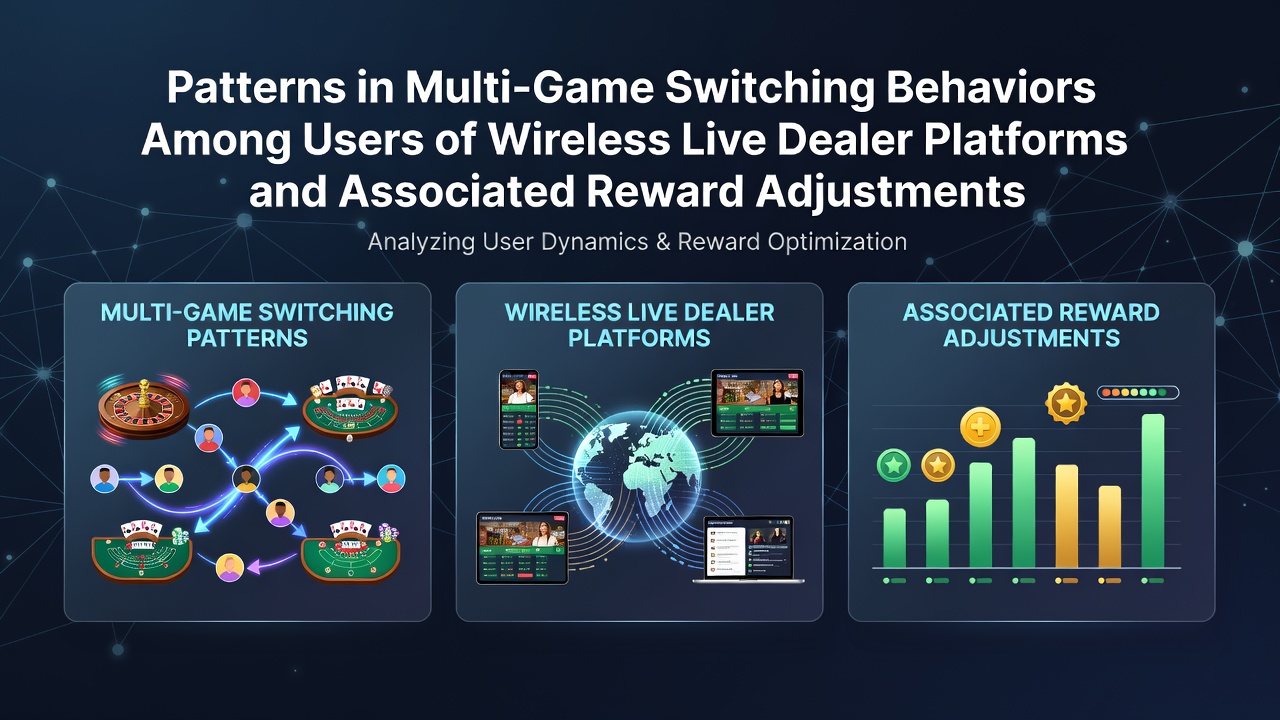
Data collected through platform analytics in August 2026 reveals distinct patterns where users of wireless live dealer platforms frequently alternate between blackjack, roulette, and baccarat sessions within single play periods, and operators respond by recalibrating loyalty multipliers and bonus eligibility based on observed switching frequency. These adjustments occur because tracking systems monitor session duration per game type along with transition points, allowing reward engines to apply tiered incentives that encourage continued engagement across formats rather than prolonged focus on any single table.
Documented Switching Frequencies and Platform Metrics
Research conducted by multiple iGaming operators indicates that approximately 62 percent of wireless users complete at least three game-type transitions during an average 45-minute session, with the most common sequence moving from roulette to blackjack before returning to a new roulette variant. Figures released by iGaming Ontario show this behavior correlates with higher cumulative wager volumes when reward structures automatically increase cashback percentages after the second switch. Platform logs further demonstrate that users who remain on one game for over 20 minutes receive fewer incremental promotions compared to those who rotate tables, because the algorithms prioritize diversity metrics when calculating eligibility for progressive jackpot entries.
Reward Adjustment Mechanisms in Response to Behavior
Live dealer platforms integrate real-time behavioral data feeds that trigger reward recalibrations once predefined switching thresholds are met, such as granting an additional free bet after a user samples both American and European roulette within the same hour. According to a report published by the European Gaming and Betting Association, these dynamic systems have expanded across European and North American markets since early 2025, resulting in measurable lifts in average session length when rewards scale with the number of distinct games accessed. Operators achieve this through segmented loyalty tiers that factor not only total stakes but also the spread of game categories, which prevents reward dilution for high-frequency switchers while still providing baseline benefits to single-game participants.
Wireless connectivity allows instantaneous updates to user profiles, enabling reward engines to apply adjustments mid-session without requiring users to navigate separate menus or claim processes. Observers note that platforms using these methods report retention improvements of up to 18 percent among users exhibiting four or more switches per visit, because the immediate feedback loop reinforces the value of exploration across tables.
Geographic and Demographic Variations in Observed Patterns
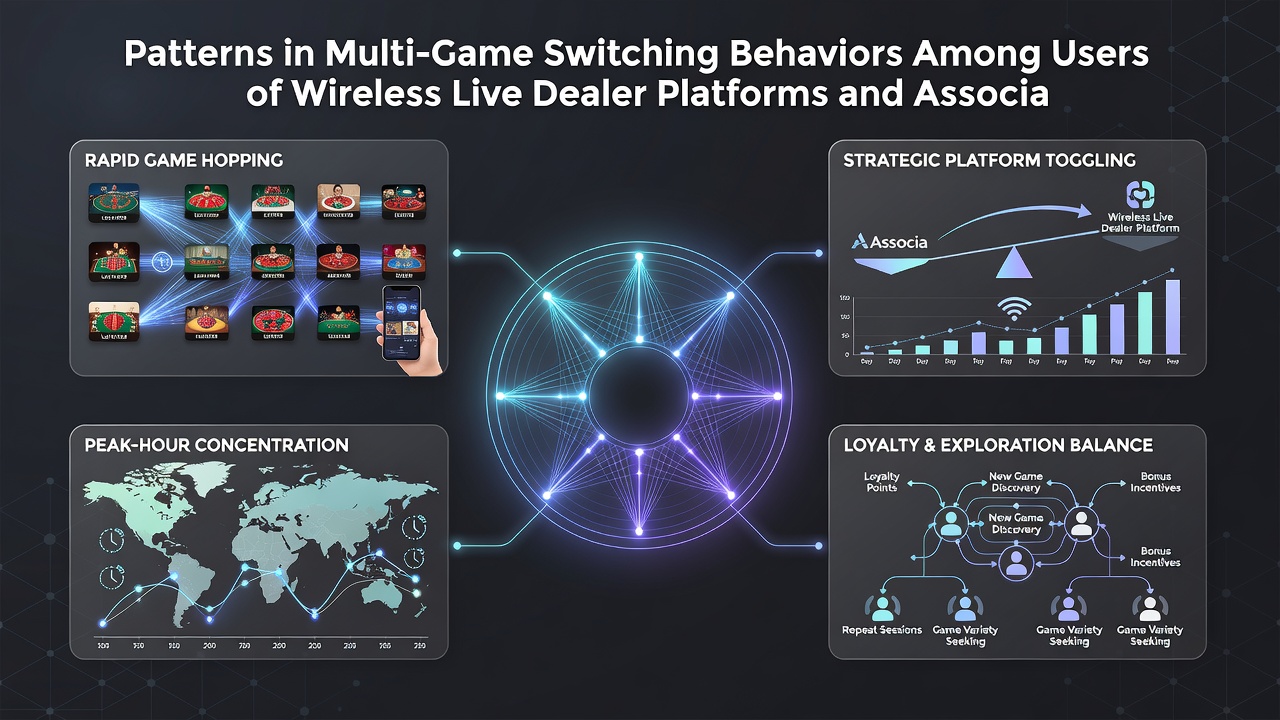
Studies from the University of Nevada Gaming Research Center highlight that North American wireless users tend to switch more frequently between live dealer variants during evening hours, whereas Asia-Pacific players demonstrate steadier rotation patterns concentrated around peak promotional windows. These regional differences prompt operators to deploy localized reward formulas that weight switching velocity differently, such as offering time-limited multiplier boosts in markets where data shows lower natural transition rates. Demographic breakdowns indicate younger cohorts aged 25 to 34 exhibit the highest switching density, often alternating between three or more games in under 30 minutes, which in turn activates faster reward escalations including expedited loyalty point accrual.
Platform providers have documented that reward adjustments tied to switching also influence cross-border play, with users accessing multiple jurisdictions through the same wireless account receiving unified tracking that merges activity across licensed environments. This unified approach allows consistent application of global loyalty structures even when individual platforms apply unique game catalogs.
Conclusion
Wireless live dealer platforms continue to refine multi-game switching detection and associated reward adjustments as user data accumulates through 2026, with systems increasingly capable of predicting transition likelihood based on historical patterns and adjusting incentives preemptively. Evidence from regulatory filings and operator reports demonstrates these mechanisms operate on objective behavioral inputs, producing measurable shifts in engagement metrics without altering core game rules or payout structures. As tracking capabilities advance, the interplay between switching frequency and reward calibration remains a central focus for platforms seeking to align incentives with documented user navigation habits across wireless environments.