20 May 2026
The Interplay of Secure Funding Channels and Tiered Reward Cycles in Portable Live Play Formats
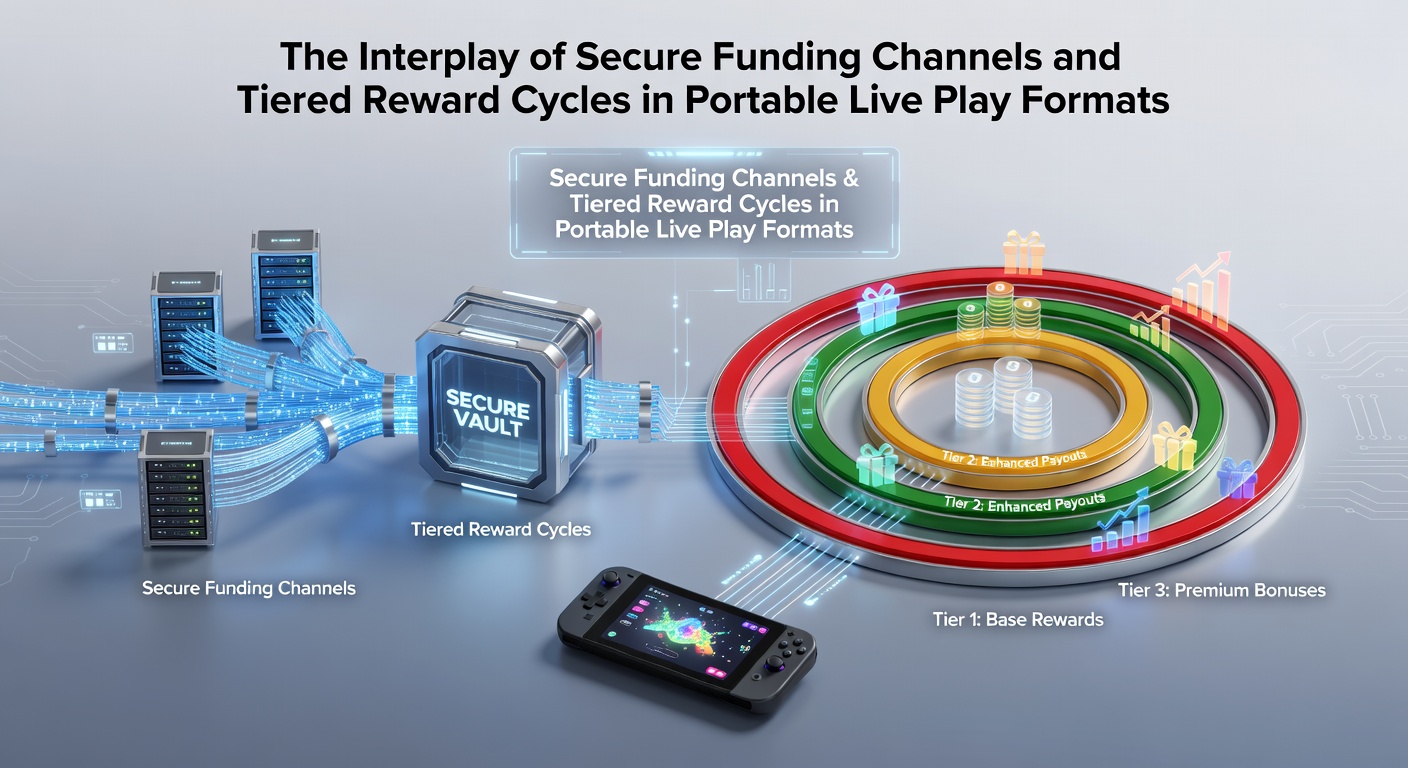
Portable live play formats continue to expand across mobile platforms as operators integrate secure funding channels with structured reward systems that scale according to player activity levels. These channels encompass encrypted payment gateways, tokenized bank transfers, and regulated digital wallets that transmit funds without exposing sensitive details during live dealer sessions on smartphones and tablets. Data from industry reports shows that such integrations support real-time reward accumulation in games like blackjack and roulette where participants move between tiers based on cumulative wagers and session frequency.
Secure Funding Mechanisms in Mobile Live Environments
Operators deploy advanced encryption protocols and multi-factor authentication to process deposits and withdrawals while live tables remain active, and this setup allows players to fund accounts mid-session without interrupting play cycles. Regulatory frameworks in various regions require these channels to meet strict compliance standards that track transaction flows and prevent unauthorized access, yet the same systems log activity that feeds directly into reward calculations. Figures from the American Gaming Association reveal steady growth in mobile transaction volumes through 2025 with projections indicating further increases by May 2026 as more jurisdictions authorize live dealer offerings on portable devices.
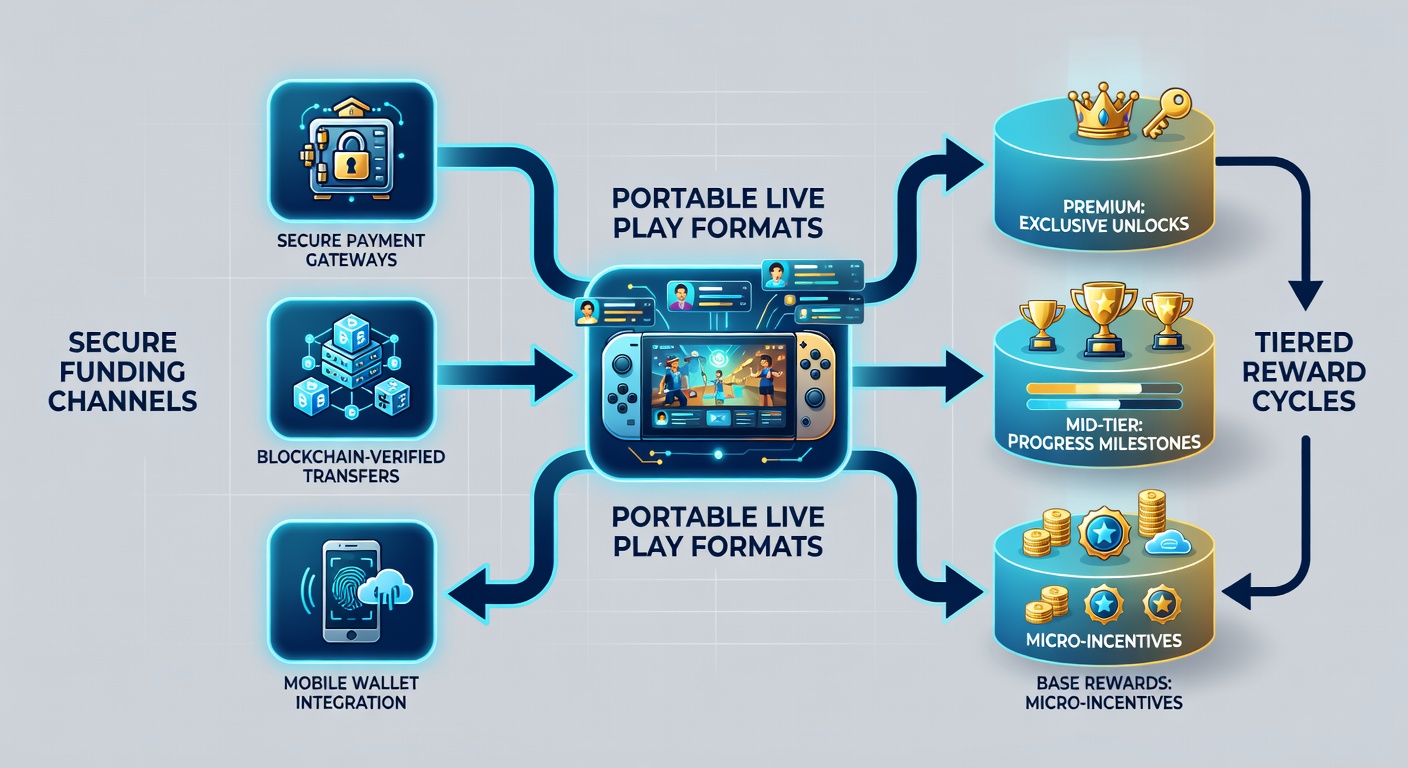
Tokenization stands out as a key element because it replaces card details with unique identifiers that reduce fraud risks during frequent small transfers common in live play. Experts note that players who utilize these secured options experience fewer interruptions when advancing through reward tiers since verification processes run in the background rather than halting gameplay. And when combined with instant settlement features the funding method supports continuous participation that builds eligibility for higher reward brackets over time.
Structure of Tiered Reward Cycles
Tiered systems typically organize participants into progressive levels where each stage unlocks additional benefits such as cashback percentages, exclusive table access, or accelerated point multipliers. These cycles reset or advance according to defined periods and total activity metrics that operators gather through integrated platforms. Research from the University of Nevada's gaming studies department indicates that mobile users who maintain consistent funding patterns across secure channels reach upper tiers at higher rates than those relying on less streamlined methods.
Points accrue from wagers placed in live sessions and convert into rewards that adjust dynamically as players cross thresholds, and this mechanism encourages sustained engagement while operators monitor compliance with responsible gaming limits. What's interesting here is how the cycles incorporate both short-term bonuses for immediate deposits and long-term perks tied to monthly volumes, creating a layered approach that aligns funding security with ongoing participation incentives.
Observers note that portable formats benefit particularly from these structures because device-based sessions often occur in shorter bursts compared to desktop play, making seamless reward tracking essential for retention. Data shows correlations between verified funding sources and faster tier progression since automated systems verify eligibility without manual reviews that could delay payouts.
How Funding Security Supports Reward Progression
Secure channels provide the verifiable transaction history that reward algorithms require to confirm activity and distribute benefits accurately. When players use approved methods the data flows directly into tier management tools that calculate eligibility in real time and this integration minimizes disputes over point accumulation during live streams. A report from iGaming Ontario highlights that platforms employing these combined systems report lower chargeback rates alongside higher average session lengths as users advance through reward levels.
Multi-currency support within secure gateways further enables global participants to maintain consistent progress toward tiers regardless of location and operators adjust conversion rates to preserve reward value across borders. Yet the interplay extends beyond deposits because withdrawal processes tied to the same channels often include tier-based fee reductions or priority processing that reinforces the cycle of participation and reward redemption.
Case examples from operators in regulated markets demonstrate that players who combine encrypted funding with tiered incentives tend to exhibit more predictable play patterns that align with compliance requirements. And as portable technology evolves additional layers such as biometric verification strengthen both security and the reliability of reward tracking systems.
Regulatory and Operational Considerations Through Mid-2026
By May 2026 several North American and European markets plan expansions of live mobile offerings that emphasize secure payment integrations to meet updated standards from bodies like the New Jersey Division of Gaming Enforcement. These developments include requirements for transparent reward disclosures within funding interfaces so participants understand how deposits influence tier status. Industry analyses project that unified systems will handle increased volumes while maintaining audit trails that support both security audits and reward verifications.
Operators adapt by partnering with payment providers that offer API connections capable of syncing transaction data with loyalty platforms instantaneously, and this technical alignment reduces latency between funding actions and reward updates during active live sessions. Research indicates that such efficiencies contribute to overall sector revenue growth as mobile formats capture larger shares of player time.
Future Integration Patterns
Emerging trends point toward deeper embedding of reward logic within funding applications themselves allowing tier notifications to appear alongside transaction confirmations on mobile screens. This approach keeps participants informed about progress without switching apps and maintains the flow of live play uninterrupted. Data from academic reviews of gaming platforms suggests these unified interfaces enhance user retention metrics across tested cohorts.
Collaboration between technology providers and regulatory agencies continues to shape standards that balance security needs with reward accessibility and the result appears in more portable formats rolling out tiered structures supported by robust funding backbones. As volumes rise through 2026 the interplay between these elements will likely define operational benchmarks for mobile live gaming sectors.
Conclusion
The connections between secure funding channels and tiered reward cycles in portable live play formats rest on shared data flows that enable accurate tracking, compliant operations, and participant progression. Evidence from regulatory reports and platform analyses shows these elements working together to sustain activity levels while meeting security and transparency mandates across expanding markets. Continued technical refinements through mid-2026 will further align payment processes with reward mechanisms in ways that support broader adoption of mobile live formats.