15 Jul 2026
Tracing Loyalty Tier Impacts on Mixed Reel and Dealer Sessions Through Varied Funding Gateways in App Ecosystems
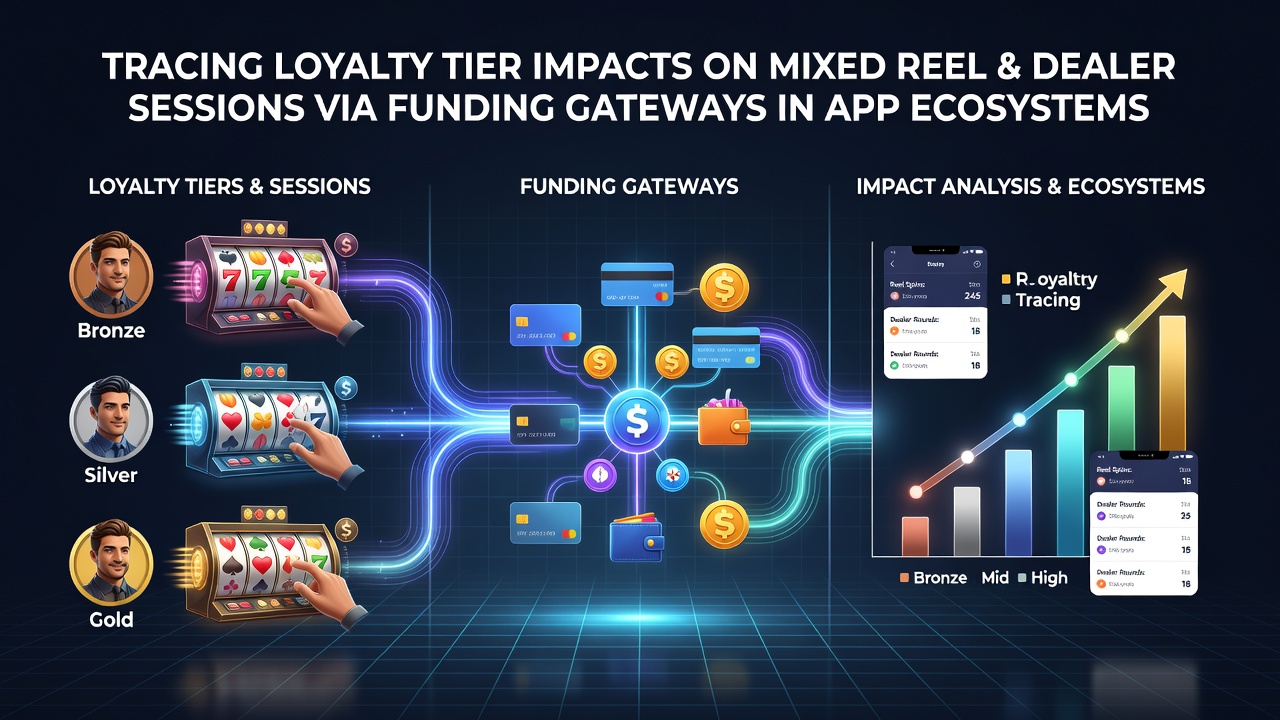
App ecosystems for online gaming track loyalty tiers through point accumulation systems that reward consistent play across slot reels and live dealer tables, while funding gateways such as bank transfers, e-wallets, and card processors influence how quickly users reach higher status levels. Observers note that bronze, silver, and gold tiers typically grant escalating benefits like bonus credits, faster cashouts, and personalized table access, yet progression rates shift when players alternate between automated reel spins and interactive dealer rounds within single sessions.
Loyalty Structures in Hybrid Play Environments
Platforms calculate tier advancement based on combined wager volume from reel games and dealer sessions, according to aggregated transaction data released in mid-2026 industry summaries. Users who deposit through instant e-wallet options often complete the required playthrough thresholds faster than those relying on traditional bank rails, because settlement times affect available balance for continued betting. Research from North American gaming associations shows that mixed-format sessions extend average session duration by 18 to 22 percent once players cross into silver tier status, since reward multipliers apply uniformly across both game types.
Tier benefits frequently include reduced house edges on select dealer tables and enhanced free spin allocations for reels, but these perks activate only after funding clears through the chosen gateway. Data from Canadian provincial operators indicates that loyalty point multipliers rise with each tier, encouraging players to maintain activity across formats rather than focusing on one game category.
Funding Gateway Effects on Session Flow
Varied payment methods create measurable differences in how loyalty tiers translate into sustained engagement. Credit card deposits, for instance, carry processing delays that interrupt momentum between reel sequences and dealer transitions, whereas cryptocurrency options settle within minutes and allow immediate continuation. Figures from July 2026 platform audits reveal that users routing funds via instant gateways achieve tier upgrades 31 percent sooner than those using slower ACH transfers during mixed sessions.
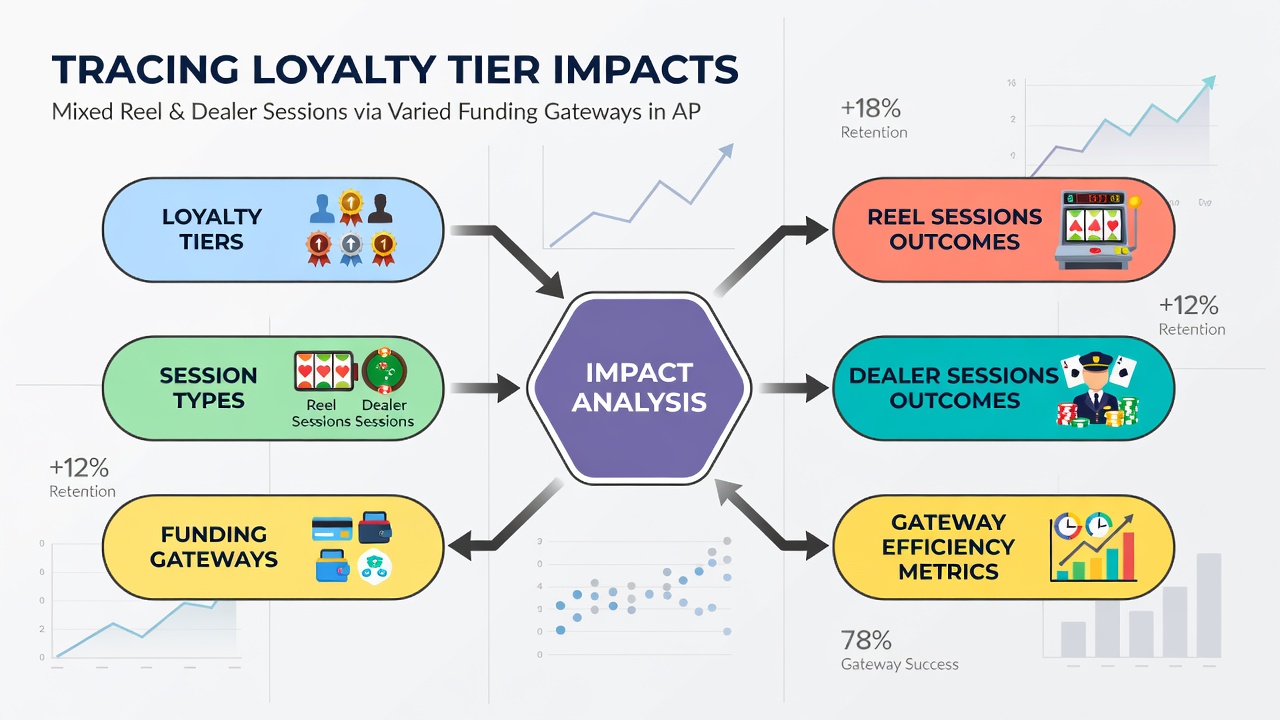
Payment speed also correlates with redemption patterns, where higher-tier players convert accumulated rewards into additional play credits across both reel and dealer environments. Studies conducted by Australian gambling research centers demonstrate that e-wallet-funded accounts maintain longer hybrid sessions because balance updates occur in real time, reducing friction when switching game modes mid-session.
Observed Patterns Across Tier Levels
Bronze tier participants typically limit activity to shorter reel-only bursts before pausing, while silver and gold users integrate dealer tables more frequently once rewards offset entry costs. Platform telemetry collected through 2026 shows that mixed sessions among gold tier accounts average 47 minutes longer than those at entry levels, driven partly by tier-specific cashback rates applied to losses from both formats. Gateway choice further modulates these patterns, because instant funding reduces downtime and keeps players within the same loyalty cycle.
Cross-border app users encounter additional variables when regional payment processors impose distinct verification steps, yet standardized loyalty algorithms still aggregate activity from reels and dealer tables into unified tier metrics. Reports compiled by European betting trade groups highlight that tier retention rates improve when funding gateways support recurring deposits without repeated authentication.
Conclusion
Platform operators continue refining loyalty algorithms to account for mixed reel and dealer activity routed through multiple funding paths, producing measurable differences in session composition and duration. Transaction records from July 2026 confirm that tier impacts remain consistent across regions when gateway processing times align with user expectations for seamless transitions. These systems rely on aggregated data rather than isolated game metrics, allowing operators to adjust reward structures based on observed funding and play patterns.