1 Jun 2026
Tracing Regulatory Shifts in Game Certification Processes Across Emerging Digital Gambling Markets
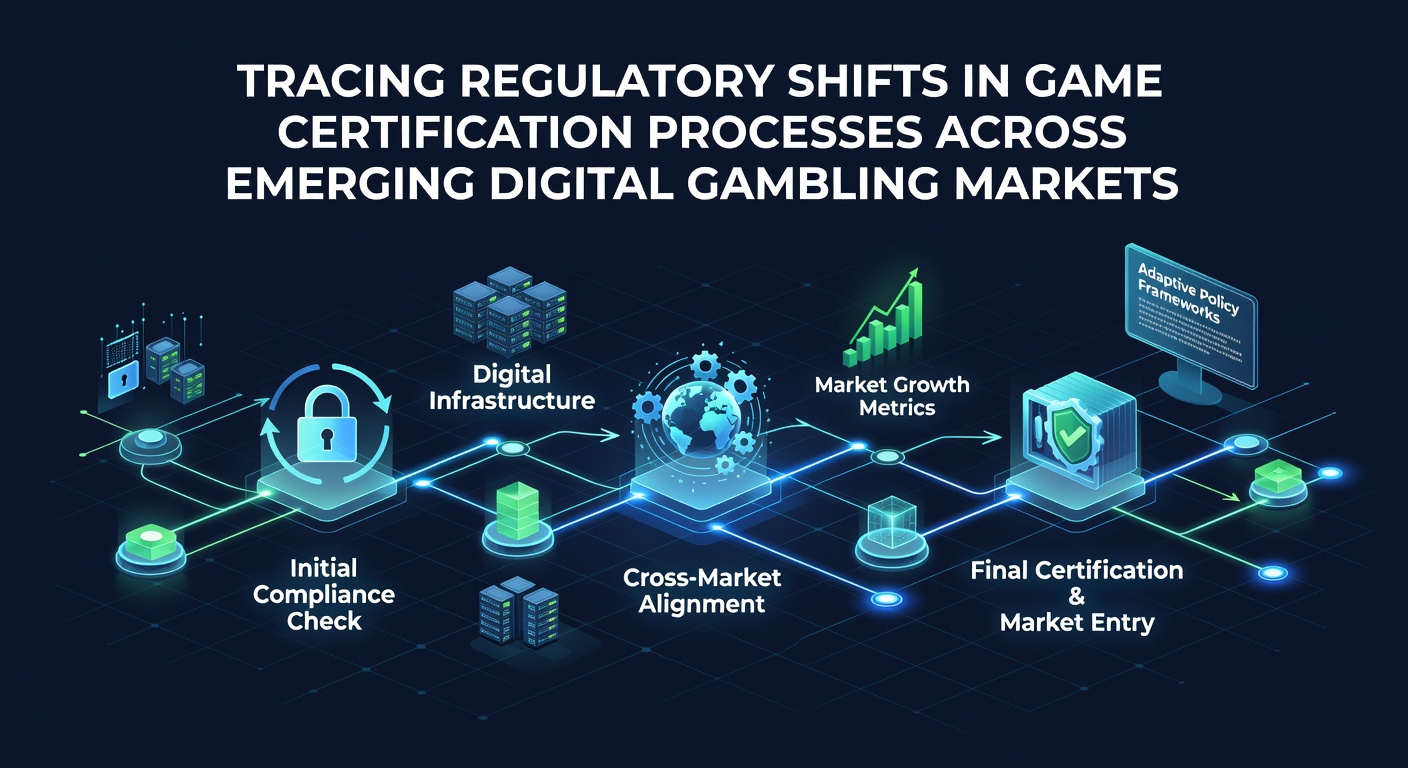
Emerging digital gambling markets continue to adjust their game certification frameworks as new jurisdictions enter the space and existing ones refine their approaches to software approval and compliance testing. These changes reflect broader efforts to balance market growth with player protection standards while incorporating advancements in random number generator verification and live dealer technology audits. Observers note that certification bodies in regions such as Latin America and parts of Southeast Asia have updated their requirements multiple times since 2023 to address mobile platform vulnerabilities and cross-border data flows.
Latin American Frameworks Undergo Multiple Revisions
Brazil's regulatory rollout has introduced layered certification stages that require independent testing laboratories to evaluate game mechanics against updated fairness benchmarks before any commercial deployment occurs. Colombian authorities have aligned their processes with similar technical standards, mandating that operators submit source code for review under revised protocols that emphasize real-time monitoring capabilities. Data from regional trade groups shows that approval timelines have extended by an average of 45 days in these markets because of the added documentation layers introduced in early 2025.
Argentina's provincial regulators have followed suit with coordinated guidelines that demand compatibility testing across multiple device types and integration with centralized responsible gaming databases. Those who've tracked these developments point out that the shifts stem from increased scrutiny on jackpot pooling systems and bonus feature transparency, which regulators now require to be documented in machine-readable formats.
Asian Markets Introduce Technical Harmonization Steps
Philippine authorities expanded their certification scope in 2024 to cover skill-based gaming elements that blend traditional slots with interactive components, requiring specialized evaluation panels to assess outcome predictability. Singapore's Casino Regulatory Authority has published supplementary directives that address virtual reality environments, specifying audit procedures for spatial audio cues and haptic feedback systems that influence player decisions. Research indicates these updates emerged after pilot programs revealed gaps in existing evaluation methods for immersive formats.
India's state-level frameworks have incorporated provisions for blockchain-based audit trails in game certification, allowing regulators to verify transaction histories without relying solely on operator-submitted logs. Observers note that these requirements have prompted testing labs to develop new verification tools capable of handling distributed ledger data while maintaining compatibility with legacy systems still in use across smaller operators.
Standardization Efforts Gain Momentum
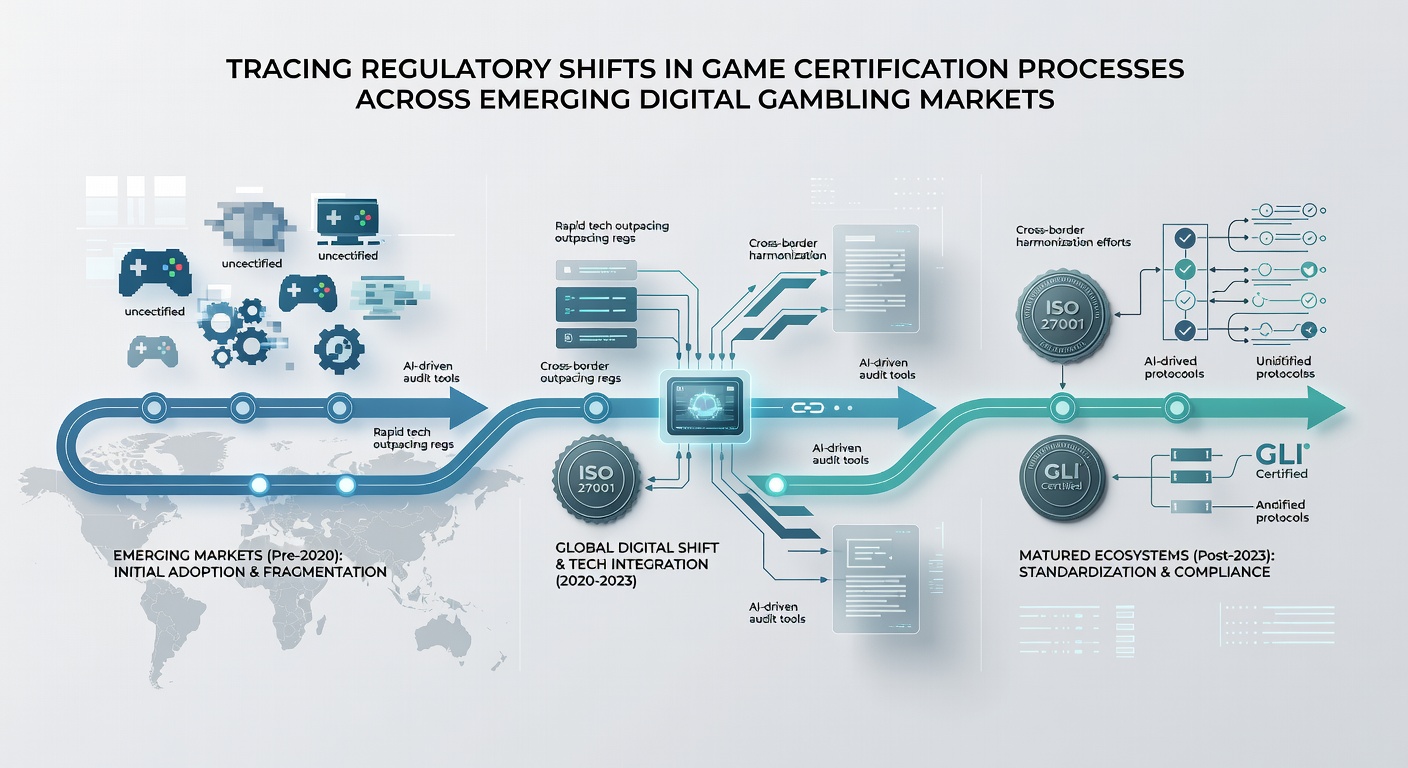
International testing standards organizations have collaborated with emerging market regulators to create shared reference documents that outline core evaluation criteria for game software integrity. These documents address common issues such as payout percentage calculations, symbol weighting algorithms, and anti-tampering measures without imposing uniform licensing structures across jurisdictions. A Casino Regulatory Authority report highlights how such reference materials have reduced duplicate testing costs for operators active in multiple markets.
Certification bodies in Kenya and Nigeria have adopted modular approval systems that separate base game evaluation from progressive jackpot linkages, allowing faster updates when operators modify bonus structures. Figures from industry associations reveal that this separation has accelerated market entry for certain product types while maintaining oversight on financial transaction components that connect to local payment rails.
Technological Integration Reshapes Audit Procedures
Remote auditing tools have become standard in several emerging markets, enabling regulators to perform spot checks on certified games without requiring physical presence at server locations. These systems rely on encrypted data streams that transmit game outcome logs and random number generator sequences to oversight portals in real time. Experts have observed that the adoption of such tools accelerated during 2025 as bandwidth improvements allowed for more comprehensive data transfers across regions with developing digital infrastructure.
Artificial intelligence applications now assist in anomaly detection during certification reviews, flagging unusual patterns in simulated play sessions that warrant manual examination. Regulatory agencies in Vietnam and Malaysia have piloted these systems with reported reductions in initial review cycles, though final approvals still require human sign-off on all critical components. As of June 2026, several additional jurisdictions plan to expand AI-assisted screening to cover live dealer stream integrity checks and player interface accessibility features.
Conclusion
Game certification processes across emerging digital gambling markets continue to evolve through incremental adjustments rather than wholesale replacements of existing systems. These developments reflect ongoing coordination between regulators, testing laboratories, and operators seeking efficient pathways to compliance. The incorporation of new verification technologies alongside updated technical standards creates a dynamic environment where approval requirements shift in response to both innovation and enforcement priorities. Continued monitoring of these patterns provides insight into how future regulatory frameworks may accommodate additional market entrants and product categories.